Donald E. Stone, Jr.
Two weeks ago I attended the summer membership meeting of the Design Professionals Coalition (DPC). An American Council of Engineering Companies (ACEC) Coalition, DPC brings together executive leadership of larger A/E firms and represents these firms’ business and governmental affairs interests.
Major topics shared during this meeting included matters that are on the minds of many of this country’s business leaders: the Affordable Care Act, cyber security, and continuity of operations following a disaster like Hurricane Sandy. I’ll leave discussions about the Affordable Care Act to the pundits and cyber security to our IT experts.
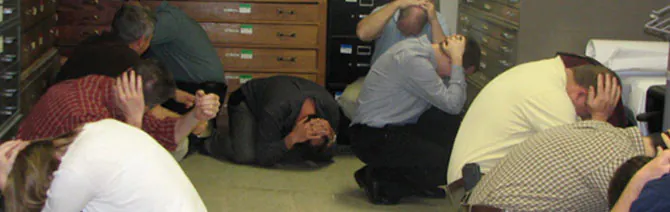
I’ll continue to rely on Dewberry’s experts to share their knowledge of continuity of operations and hazard mitigation, emergency planning, training, and exercises. You’ve probably read a few of their blogs on topics such as planning for uninterrupted patient care in a hospital, being earthquake ready across the U.S. (since they are no longer limited to the west coast), and how our employees practice sheltering in place.
We Plan for the Worst so that We Can Celebrate the Best
What I will discuss is why having a comprehensive crisis management program—that includes multiple employee communication points and supports personal preparedness—is important to Dewberry. For us, it all comes down to our people.
Our culture, or what we call Dewberry at Work, is expressed through the caliber and commitment of our people. We want our employees to perform at their highest level, have multiple opportunities for career growth, and make a positive impact on their communities. As their corporate leader, it’s my responsibility to make sure they have a safe, operable working environment where safety captains are prepared to guide employees through a crisis situation, and safety is the number one priority when maintaining and restoring business operations.
This responsibility is tied closely to our constant focus on growth. We want to grow so that we can continue to offer professional advancement opportunities for our employees, such as earning a PE license, transferring to an open position on the west coast (in spite of the earthquakes), and becoming a task manager on a design-build project.
That’s why we plan for the unexpected crises and why we treat warnings, like those surrounding Hurricane Sandy, seriously. Focusing on safety allows us to continue to expect the positive outcomes of our planning—the growth into new services, markets, and geographies that give our people the best opportunities possible.
About the Author