May 30, 2013
Don’t Touch that Stove, it’s Hot!
John Moynier
The ultimate purpose of risk communication is to reduce the amount of risks that people are exposed to by providing them the information they need to make better, more informed decisions.

Discover project, people, and trend insights and news, shared as videos, publications, press releases, podcasts, and blogs.
456 insights
May 30, 2013
John Moynier
The ultimate purpose of risk communication is to reduce the amount of risks that people are exposed to by providing them the information they need to make better, more informed decisions.
March 21, 2013
Having recently been appointed to the Transportation Research Board's (TRB) task force on emergency evacuation (ANB80T), I'm looking forward to sharing my experiences and beliefs with decision makers, planners, and operators who play critical roles in planning and implementing disaster evacuations.
February 14, 2013
Jim Matarelli and Meg Bower
Incorporating effective strategies for sustainability with the Federal Bureau of Prisons.
December 20, 2012
Shandi Treloar
Depending on the type of debris left in the wake of a disaster event, stakeholders may need to alter their debris removal strategy. When collecting, hauling, and disposing debris, a number of issues should be addressed before initiating the process.

December 13, 2012
To succeed in architecture, a design team has to be multi-dimensional in terms of its commitment and skills. We have to provide clients with more than creative architectural concepts—we need to meet requirements for budgets, schedules, functionality, sustainability, life-cycle parameters, and much…
November 29, 2012
It's often thought that the simple solution to support police department growth would be to build a big addition. The primary issue with this approach is that, unlike other building types, police departments don't grow symmetrically. Police stations are split into a number of distinct areas driven…

November 29, 2012
Jerri Daniels
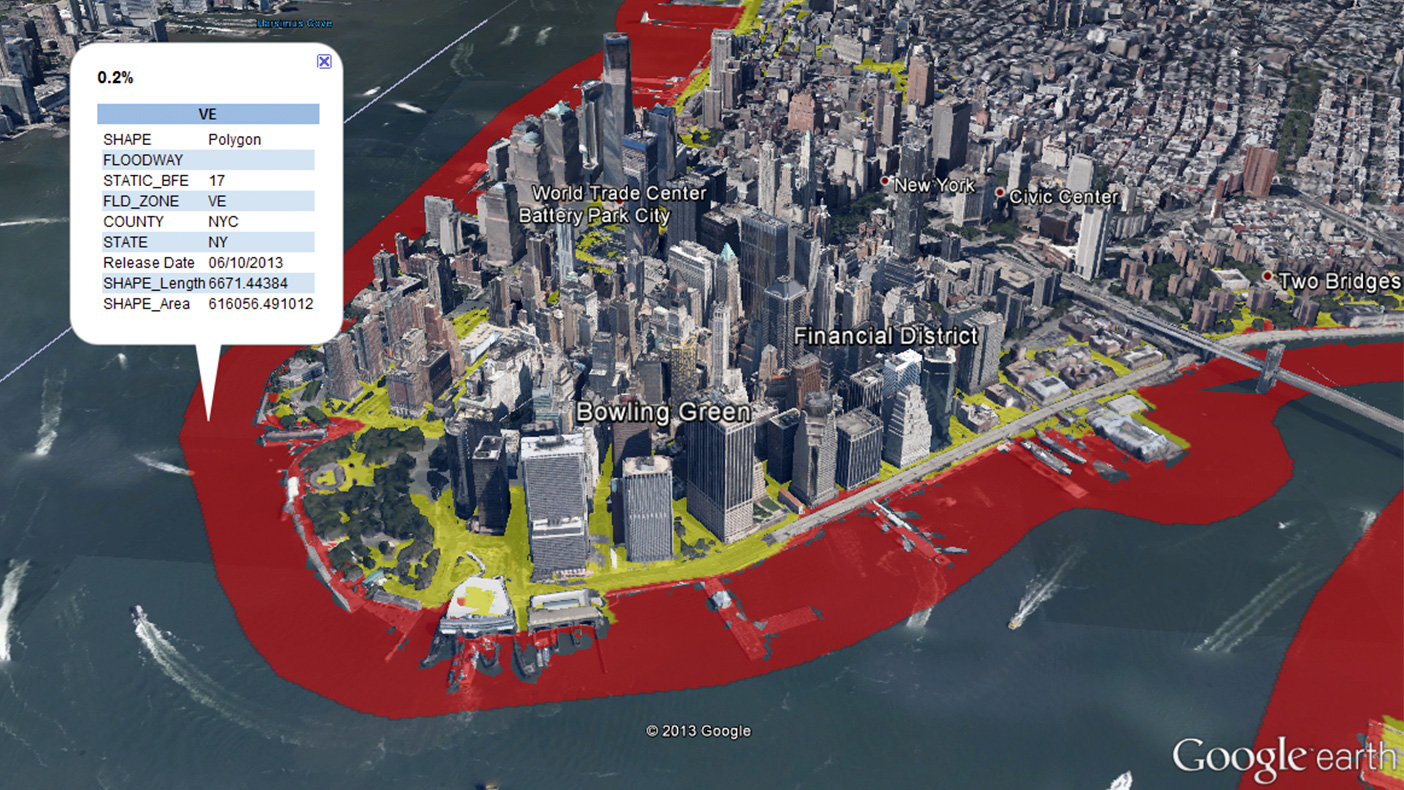
While working on flood risk management projects, not only do we work with our client, the Federal Emergency Management Agency (FEMA), but we also work with the U.S. Army Corps of Engineers (USACE), community officials, and levee authorities to combine data and information that will be used to…
October 11, 2012
Jana Green
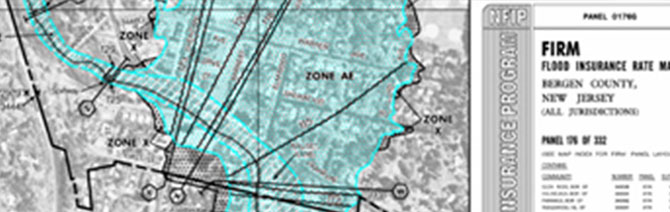
During last week's New Jersey Association for Floodplain Management (NJAFM) conference, Crystal Tramunti (FEMA Region II) and I co-presented an interactive workshop on electronic Letters of Map Amendment (eLOMAs) that included demonstrations of how to write FEMA-approved legal descriptions and how…
September 27, 2012
With the hoopla surrounding both the Democratic and Republican National Conventions over, the emergency management world can get back to its regularly scheduled program of preparing, mitigating, responding, and recovering from predominantly natural hazards.
September 13, 2012
John Hoffman
More and more federal contracts require an earned value management system—a technique for measuring project performance through tracking scope, schedule, and cost—as a basis for tracking project performance. Most believe this is a complicated system. However, once you get past the formulas and…
September 6, 2012
Shandi Treloar
A recent report issued by the U.S. Department of Health and Human Services confirms that seven years after the devastation of Hurricane Katrina along the Gulf Coast, many nursing homes are still unprepared to protect residents during a natural disaster. Among the deficiencies cited, investigators…

September 6, 2012
Steven Eget
Sustainability is often portrayed as the intersection of environmental, economic, and societal factors in project development. However, sustainability doesn't have to be an unattainable nexus of three unrelated factors; it's best to incorporate all three. When considering economics and…
Discover how our values, solutions, and years of experience come together to shape the built environment for our communities.










Our annual review and corporate social responsibility report, in one place.









Media and trade publications are permitted to use “Dewberry” as a shorthand to reference a particular Dewberry company. Third parties are not permitted to use Dewberry’s federally registered trademarks without Dewberry’s written consent.