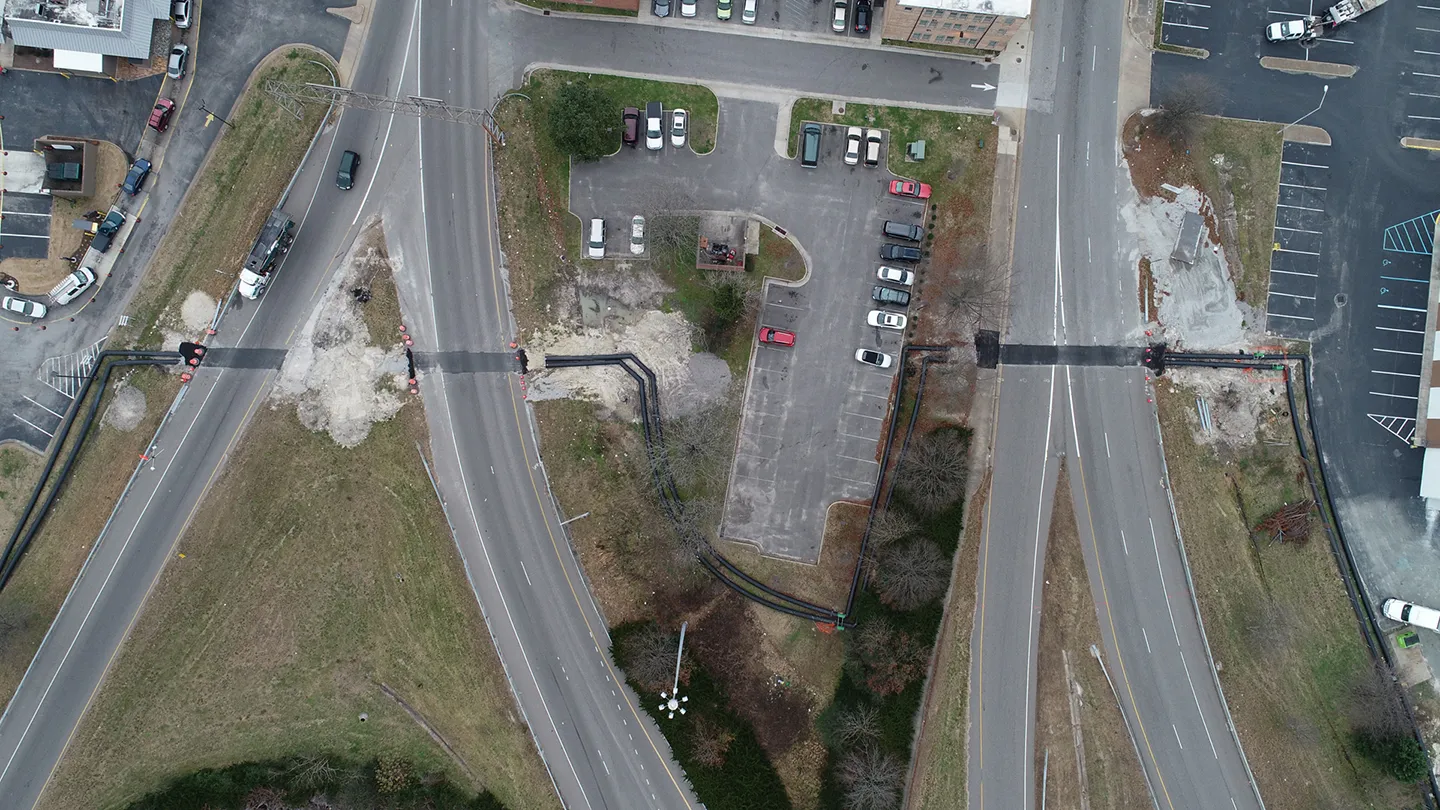
Upper Pigeon House Sanitary Sewer Interceptor Replacement
Innovative Wastewater Infrastructure that Supports Community Growth
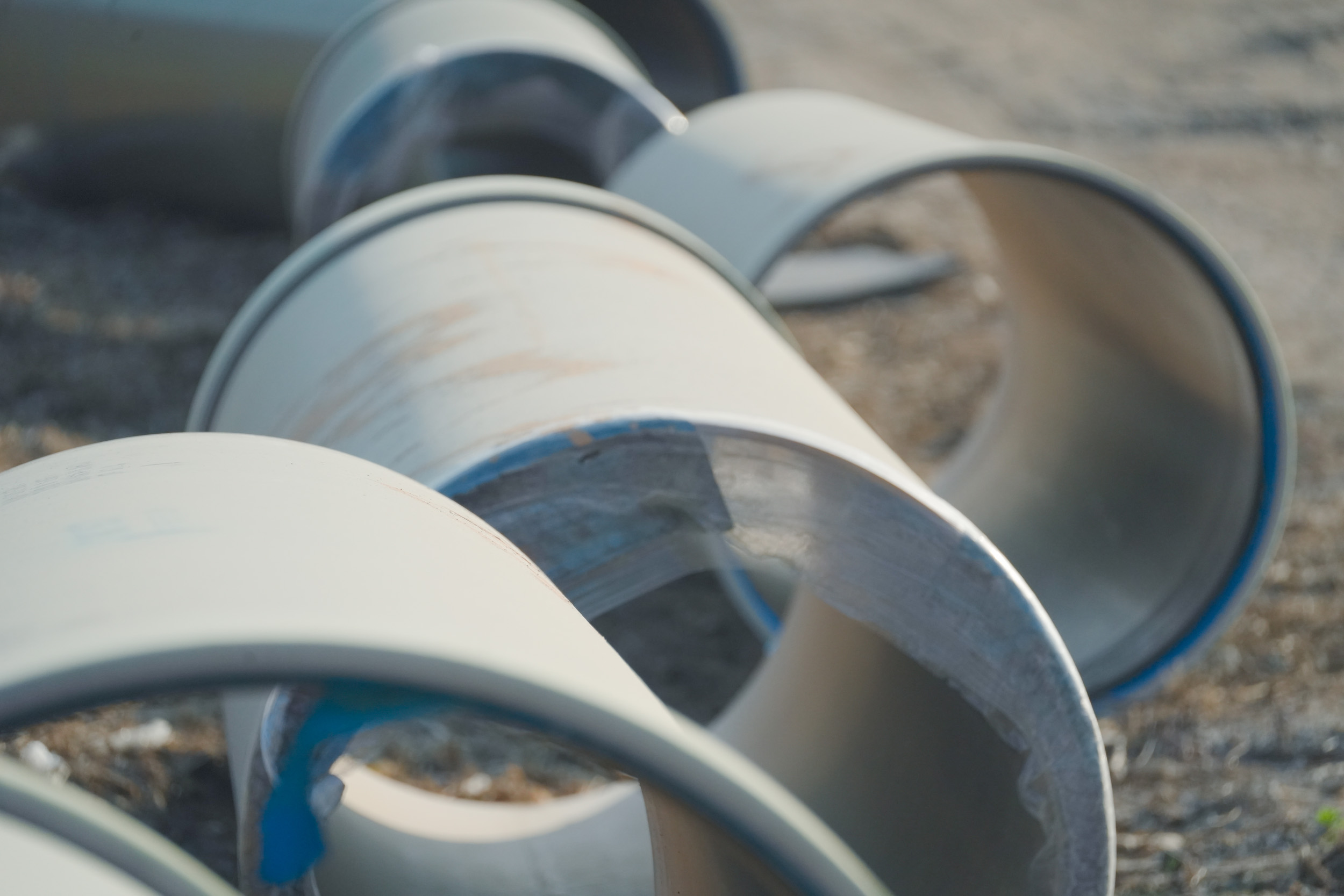
Our firm provided full design services for the replacement of the Upper Pigeon House sanitary sewer interceptor in Raleigh, North Carolina.
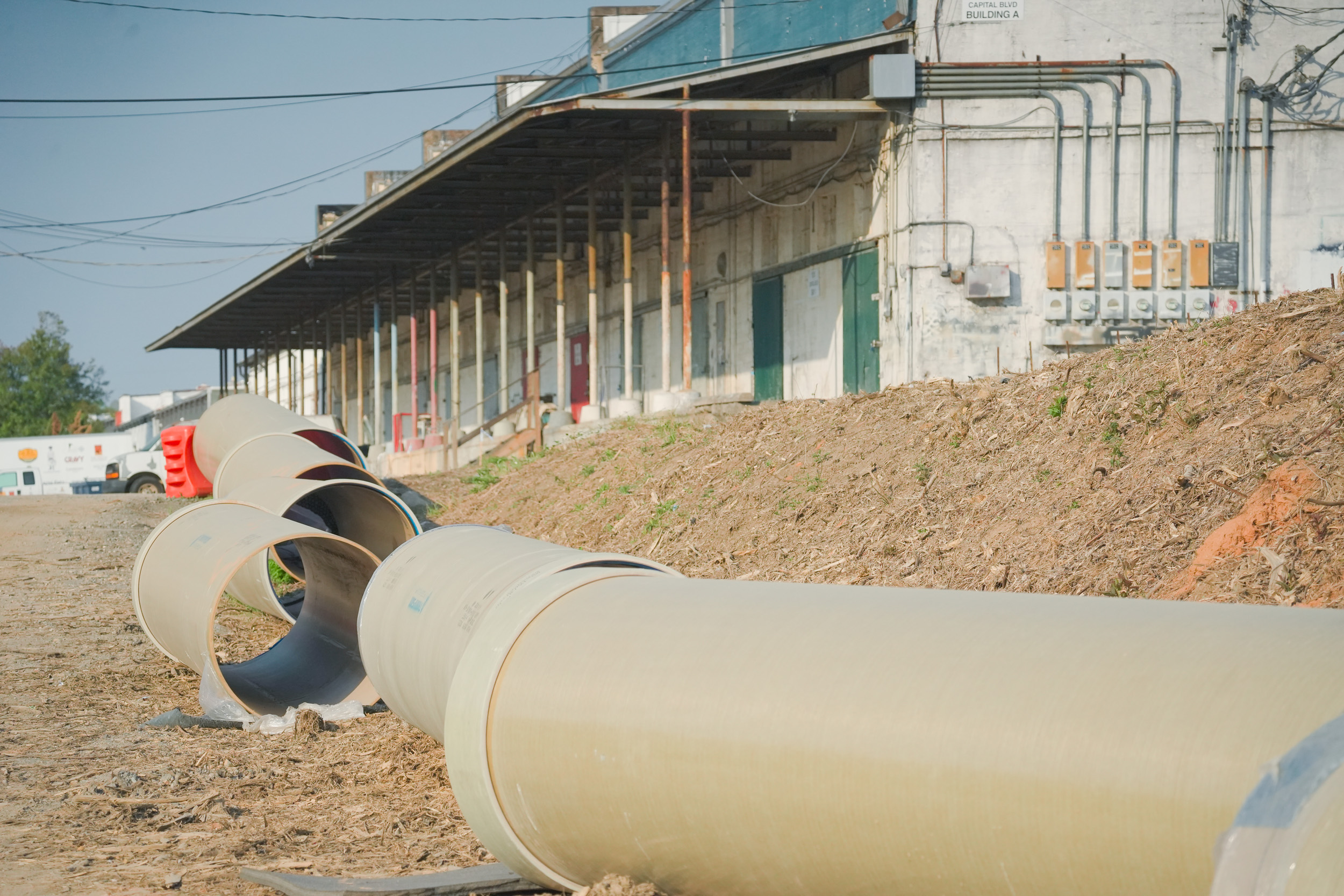
The project installed 7,950 linear feet of new 42-inch and 36-inch gravity sanitary sewer constructed of centrifugally cast fiberglass reinforced polymer mortar pipe.

We incorporated several innovative techniques, like trenchless crossings and vortex flow manholes.

Our design was amongst the first for Raleigh Water to implement these innovative technologies.

Throughout construction, we coordinated with local business owners to maintain continuity of operations.

We gave careful attention to preserving the existing site, including wetlands, greenways, and the Historical Scale House shown above.

The critical infrastructure investment will increase sanitary sewer capacity and enhance system reliability.
- Client
- City of Raleigh, Raleigh Water
- Location
- Raleigh, NC
- Markets
- Water
- Regions
- Southeast
As Raleigh, North Carolina, continues to experience significant growth, Raleigh Water recognized the need to improve critical wastewater infrastructure along the high-traffic Capital Boulevard corridor near the downtown area. A capacity study determined that portions of the existing Upper Pigeon House sanitary sewer interceptor would not be able to support the anticipated demand from planned development, prompting the need for a major replacement. Our firm provided full design services for the project.
The project included abandoning 10,250 linear feet (LF) of existing sanitary sewer and installing 7,950 LF of new 42-inch and 36-inch gravity sanitary sewer constructed of centrifugally cast fiberglass reinforced polymer mortar pipe. The system also included eight-foot-diameter manholes averaging 20 feet in depth and numerous trenchless crossings. To enhance system performance, we incorporated a vortex flow manhole, which helps to manage elevation changes between pipe inverts while reducing flow velocity. This project was amongst the first for Raleigh Water to implement this technology.
Located in a heavily developed urban setting, the project required extensive coordination to minimize impacts on adjacent businesses. We met with business owners throughout the design process to communicate anticipated construction impacts, gather feedback, and develop solutions that maintained access to commercial properties. Our team also implemented temporary entrances and developed comprehensive traffic control plans to keep businesses operational during construction.
Additional challenges included crossing beneath major roadways without disrupting traffic or business activity. We used multiple trenchless crossings and developed detailed construction sequencing and bypass pumping plans to support continuous sewer service throughout construction.
Beyond utility design, our services included surveying, subsurface utility engineering (SUE), permitting, North Carolina Department of Transportation coordination, stream identification, and restoration design for disturbed wetland and greenway areas. Temporary matting and other protective measures were incorporated to minimize environmental impacts during construction.
The result is a critical infrastructure investment that will increase sanitary sewer capacity, enhance system reliability, and support future growth along one of Raleigh’s fastest-growing corridors.
7,950
LF of new sewer
2,160
LF of new sewer installed via trenchless technology
10
trenchless crossings
47
manholes
Related Projects
- Location
- Gaithersburg, MD
- Location
- Boone, NC
- Location
- New York, NY