
August 26, 2020
As the world transforms due to a rapidly changing climate, our cities and communities need to adapt design principles to prepare for the potential disasters that can result from extreme weather.

Discover project, people, and trend insights and news, shared as videos, publications, press releases, podcasts, and blogs.
287 insights
August 26, 2020
As the world transforms due to a rapidly changing climate, our cities and communities need to adapt design principles to prepare for the potential disasters that can result from extreme weather.

August 26, 2020
Jerri Daniels and Eric Zgonina
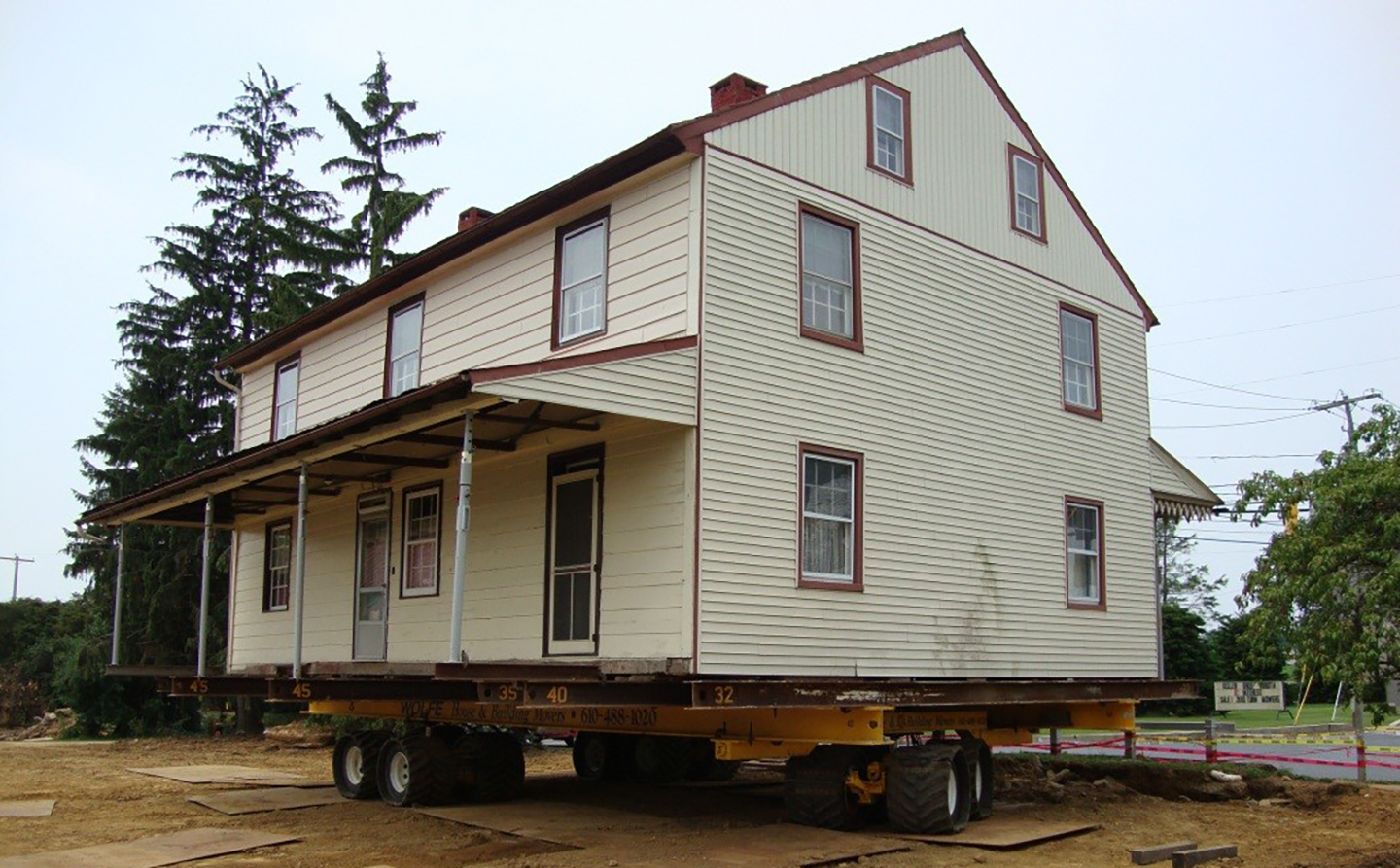
The Federal Emergency Management Agency (FEMA) is required to validate Flood Insurance Rate Maps (FIRMs) every five years. Flood hazard information is reviewed to determine if the built environment or expected flood flows have changed since a previous study was performed. Engineers are now using…
August 26, 2020
John Squerciati
Content originally published in October 2018. Updated in March 2023.

August 26, 2020
The National Flood Insurance Program (NFIP) recently celebrated its 50th anniversary. On August 1, 1968, Congress enacted the National Flood Insurance Act of 1968 after the devastating effects of Hurricane Betsy in 1965. The NFIP was created to provide an insurance alternative to disaster…
August 26, 2020
Maggie Mathis and Laurel McGinley
In 2017, the western U.S. experienced more than 50,000 wildfires, with extensive damage in Montana, Oregon, Utah, and Washington state and record-setting destruction in California in particular. Fire burned more than 1.3 million acres across the Golden State, resulting in unprecedented loss of life…

August 26, 2020
People are at the heart of the work that we do. We design sustainable and energy efficient buildings so people are comfortable and have a better place to work, we develop innovative solutions for healthcare facilities so people can breathe easier, we engineer roadways that allow people to get…

August 26, 2020
Seth Lawler
According to the U.S. National Oceanic and Atmospheric Administration (NOAA), as of the 2010 census 39 percent of the nation's population lived in counties with coastal shorelines. Today the number has increased to nearly 50 percent. The economic and strategic importance of coastal areas in the…
August 26, 2020
Cameron Long, Laurel McGinley and Juan Nieves
Nearly one year ago today, Hurricane Matthew hugged the coast of the southeastern U.S. heading towards North Carolina. With it came severe winds and rain that caused intense flooding in the eastern part of the state. Inland flooding, in some cases combined with storm surge, left many roads, homes…

August 26, 2020
Have you ever wondered how federal agencies and private non-profits accurately anticipate the amount of assistance and goods required to help communities affected by natural disasters? How do they determine the amount of food and water necessary to sustain those affected, or how many shelters are…

August 26, 2020
When Hurricane Harvey made landfall just a couple of weeks ago, it came with record-setting numbers. The total 51.88 inches of rain that fell was the most from one storm in continental U.S. history—to put things into perspective, it takes Texas an average of 15 months to accumulate 50 inches of…
August 26, 2020
John Hoffman
In 2010, the National Oceanic and Atmospheric Administration (NOAA) reported that 39 percent of the U.S. population lived in counties directly on a shoreline. By 2020, NOAA anticipates that number to grow by eight percent. Further, in an increasingly global economy, coastal communities provide…

August 26, 2020
Michael Walsh
Community resilience planning has increasingly become a necessity for municipalities across the country. With natural disasters occurring frequently, from unexpected tornados in the aftermath of a storm to flooded neighborhoods after a heavy rainfall, communities are developing mitigation…
Discover how our values, solutions, and years of experience come together to shape the built environment for our communities.








Our annual review and corporate social responsibility report, in one place.





Media and trade publications are permitted to use “Dewberry” as a shorthand to reference a particular Dewberry company. Third parties are not permitted to use Dewberry’s federally registered trademarks without Dewberry’s written consent.