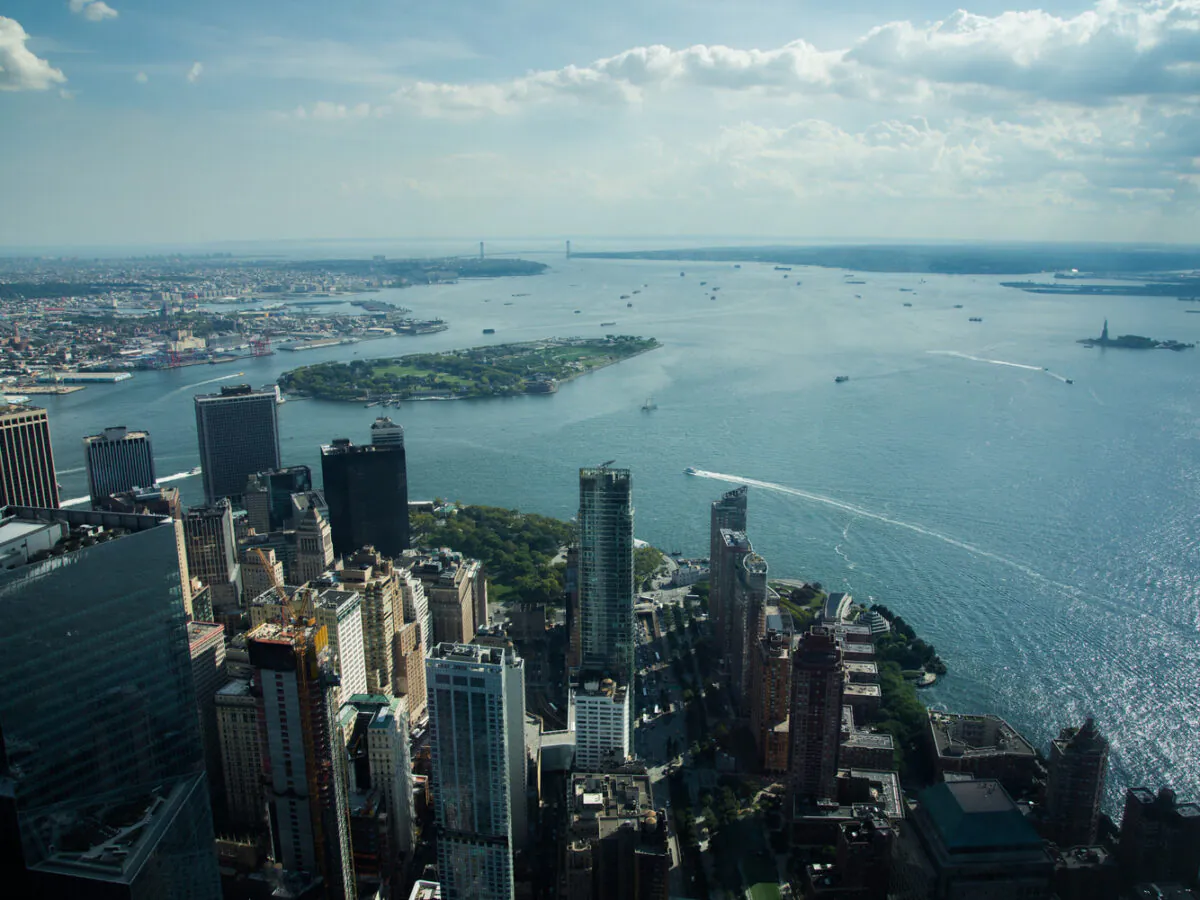
Hudson Yards, a massive 18-million-square-foot, $25 billion development perched atop an old rail yard in Manhattan, is an engineering marvel that most of my colleagues in the field would only dream of being a part of. When fully completed, more than 125,000 individuals are expected to visit the development area each day for work, shopping, dining, or to tour the iconic skylines and structures such as the Vessel, an interweaving structure built with 154 interconnecting flights of stairs and 2,500 individual steps. With hundreds, if not thousands, of photos being taken every minute during peak visiting hours (you can’t really blame them – just check out some of the stunning photos on Instagram (opens in a new tab)), the area needed robust wireless networks, requiring us to help install some of the latest and greatest technology. I am thrilled to have worked with a talented team that designed distributed antenna systems (DAS) and performed equipment installation design for three of the towers located within the development—10 Hudson Yards (opens in a new tab), 55 Hudson Yards (opens in a new tab), and 435 West 31st, better known as The Eugene (opens in a new tab).
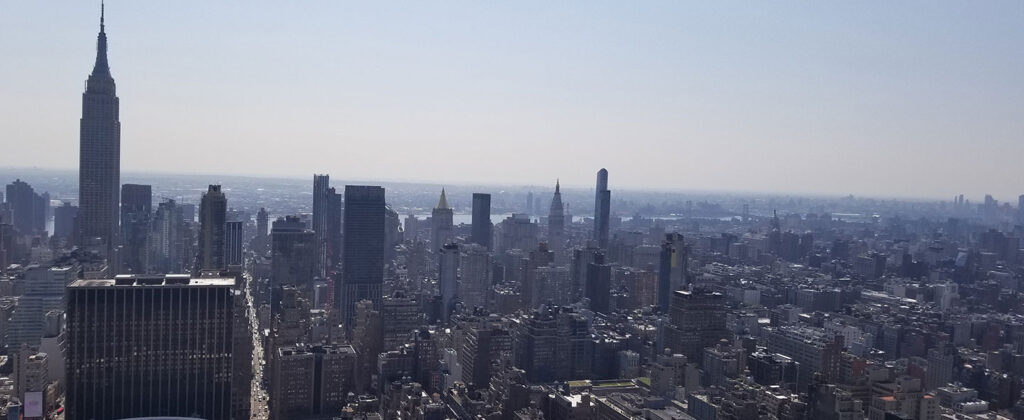
Working Our Way Up
For each of our three projects, we needed to travel to multiple locations within buildings to install and upgrade telecommunications equipment to provide ample network coverage. Working our way up from the ground floor, the first stop for each building is the telco or fiber backhaul in the point of entry (POE) room which connects the telecommunications system to the outside world through fiber networks. We then investigate the head end room to determine the proposed carrier’s equipment location. This is where each carrier integrates its network into the DAS, which allows users within the building to connect to the network.
From there, our team travels to a number of remote locations which are fed directly from the head end equipment by a fiber network. These remotes convert that fiber into a usable form of signal which is streamed through antennas and connects to users’ phones. Finally, we travel to the roof where the GPS equipment is installed which provides accurate timing and location–crucial for pinpointing anyone who is making an emergency call.
10 Hudson Yards’ head end room is unique in that it’s used to feed other building’s neutral host DAS installations within the development. This provides a quick, simple, and cost-effective solution for carriers to integrate into other buildings once construction is complete.
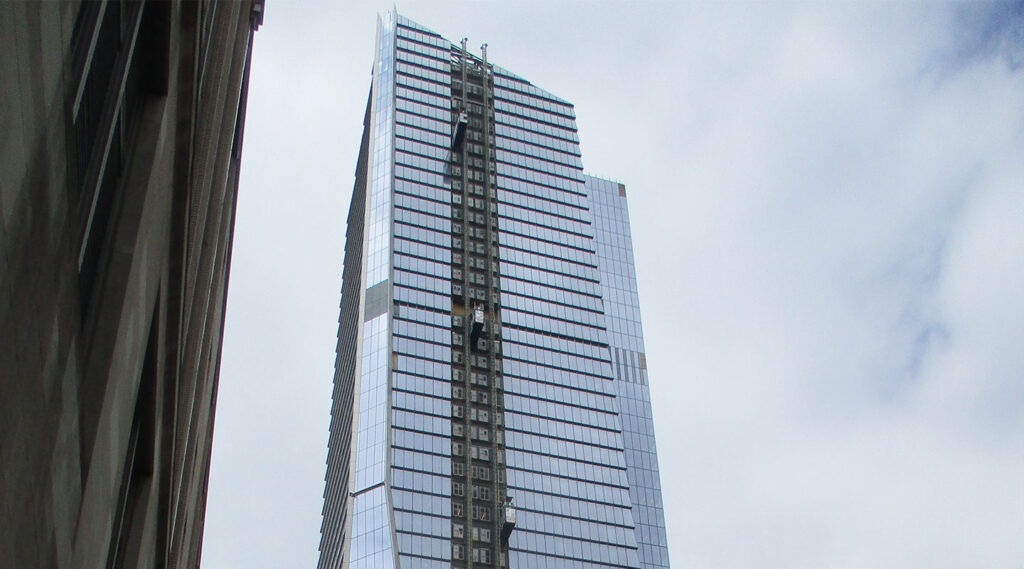
An Iconic Development for the Ages
Our site visits gave me with the opportunity to view these buildings from an early shelled stage to what they are today. 10 Hudson Yards had barely been topped out when I first visited in 2016. Going back even further–say 10 years ago–one would not recognize the place since much of it was merely a rail yard at the time. While I am hoping to work on transformative projects moving forward, I imagine few will have the impact of Hudson Yards. Its impact isn’t just on the macro scale, however. I also hold a very special personal connection to the area as the nearby High Line was where my wife and I held our engagement photo shoot.
With the advent of new technology like 5G networks, I suspect I’ll have plenty more opportunities to install, update, or replace wireless telecommunications equipment in New York City’s skyline as developers and wireless carriers look to firms like ours to help them along the way.