
Harbor Tunnel Wireless
Packing Wireless Coverage into a Narrow Tunnel

At only 22-feet wide, deciding on antenna and radio unit placement proved to be a challenge in the tightly packed tunnel.
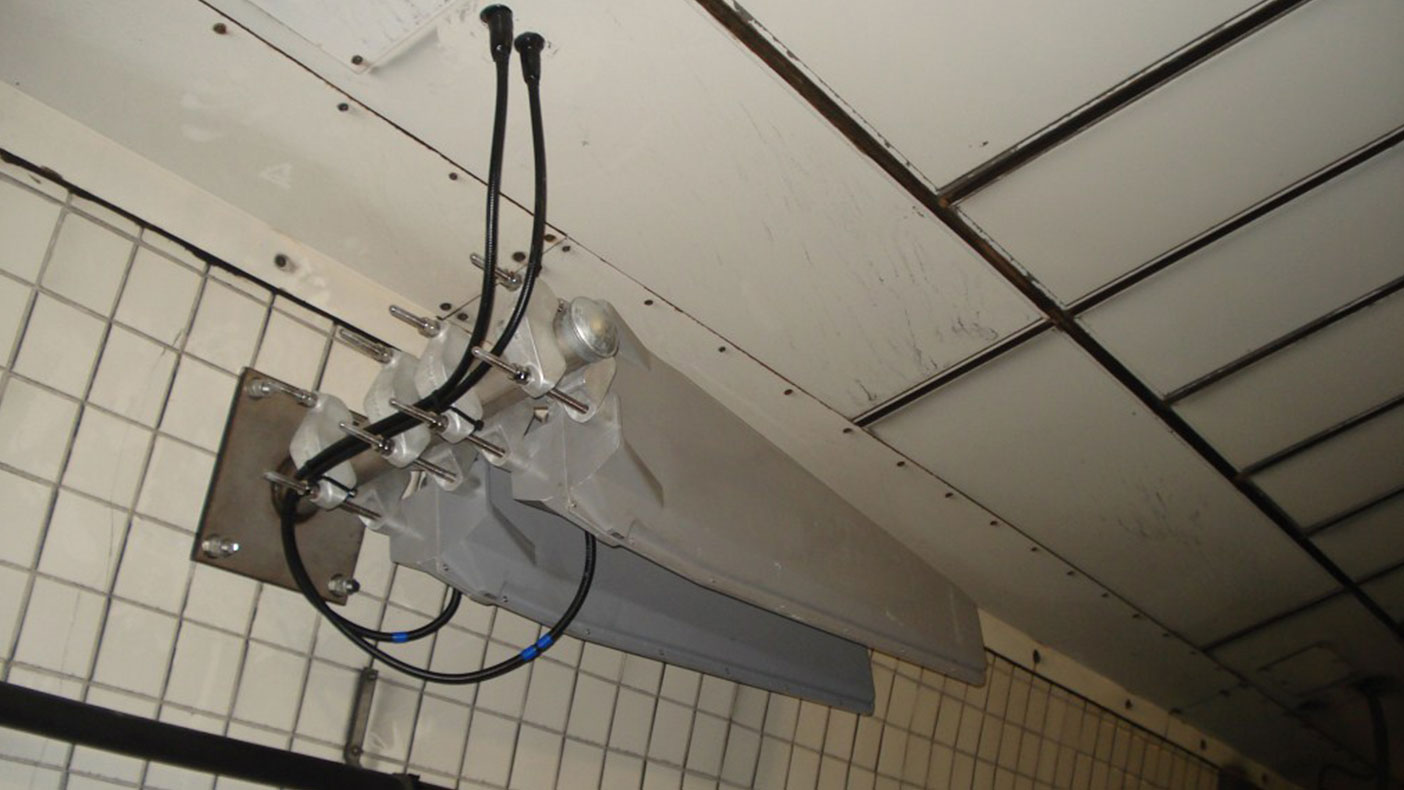
We placed the units in locations best suited to run coax cable up to the ventilation buildings, ranging from 50- to- 100-feet above the tunnel.
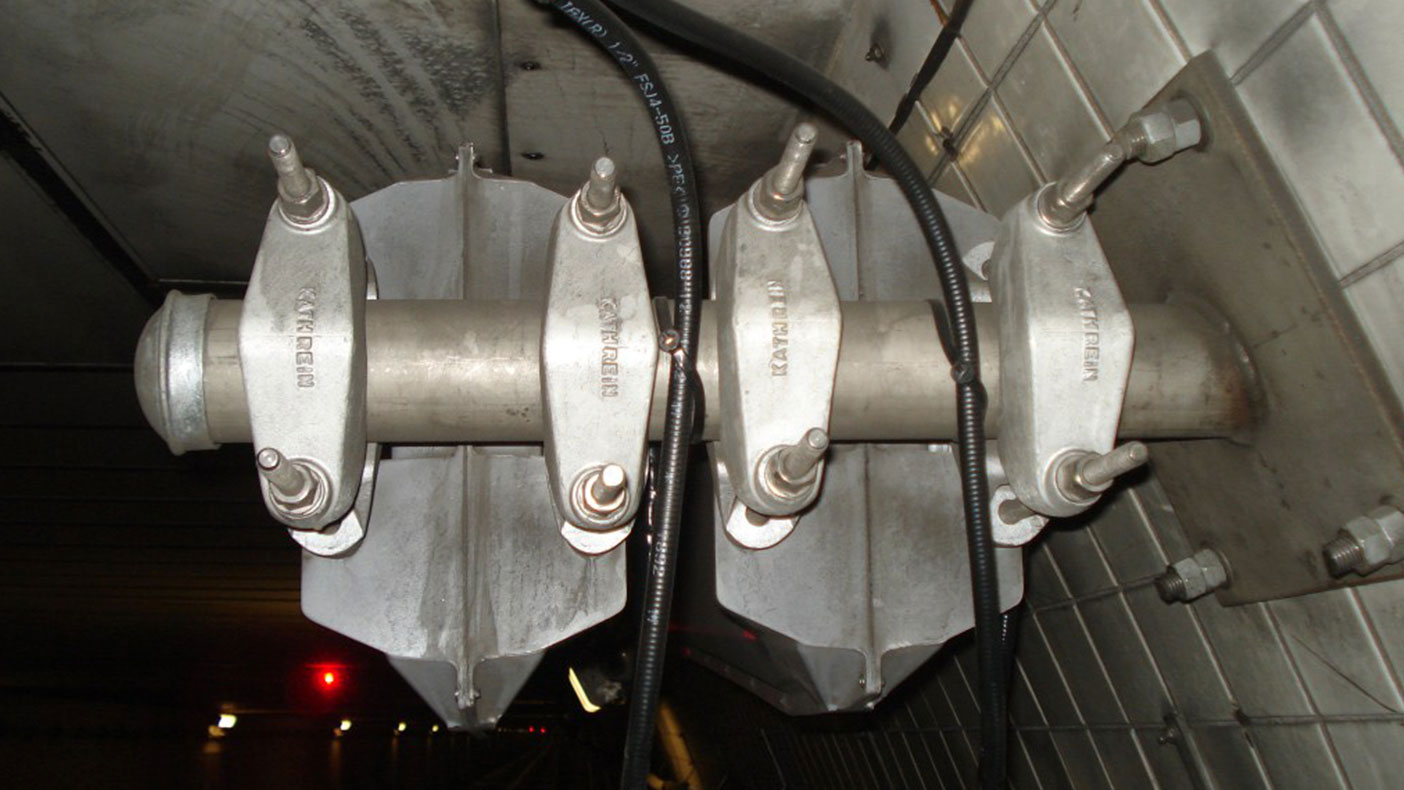
The antenna mounts were unique to this location, and had to handle both the weight of the technology and slope of the tunnel walls.
- Location
- Baltimore, Maryland
- Services
- Engineering
- Markets
- TelecommunicationsTransportation
- Completed
- 2013
- Region
- Mid-Atlantic
Carrying 24 million vehicles per year along Interstate I-895, the Baltimore Harbor Tunnel’s wireless coverage capacity and speed were due for an upgrade. Mapping areas within confined spaces above the tunnels, within the tunnel air supply, and inside exhaust vents, we designed the Distributed Antenna System (oDAS) upgrade to support LTE antennas and equipment.
The nearly 1.25-mile-long tunnel is not very wide, so developing sturdy antenna mounts and running cables through the air shafts to the above-grade vent house buildings was a challenge. LTE wireless coverage is now available within the tunnel, allowing customers to access the network while under the Chesapeake Bay.
1.25
mile-long tunnel
24 million
vehicles per year
Related Insights
Related Projects
- Location
- Gaithersburg, MD
- Location
- Boone, NC


- Location
- Fairfax County, VA
- Market
- Community Facilities

- Location
- Peoria, IL
- Location
- Prince George's County, MD