
Environmental Assessment Services for Post-Superstorm Sandy Funding
Complying with Regulatory Requirements
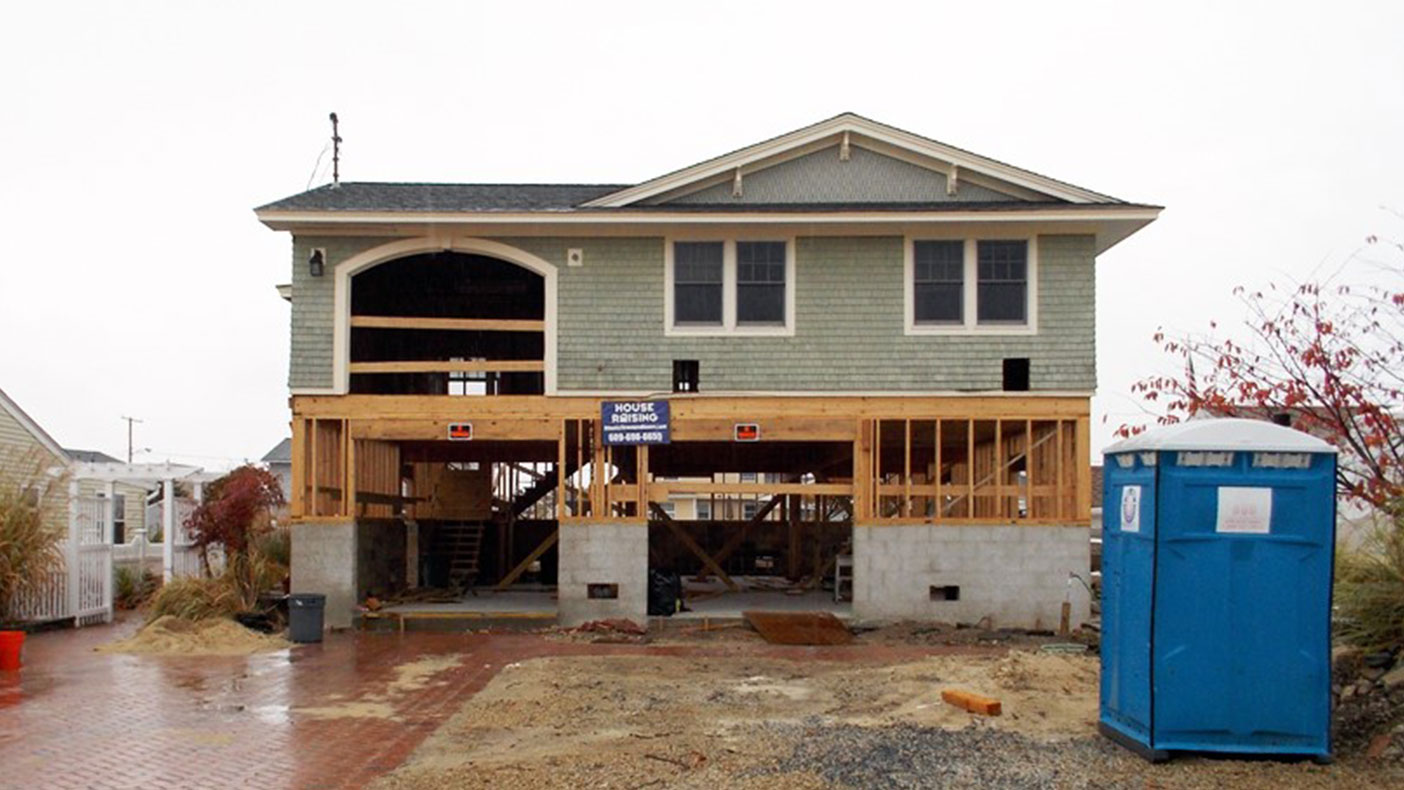
Example of an existing home elevation. This was the pathway for projects where cost to repair exceeded 50 percent, but was less than the threshold for reconstruction/construction of a new home.
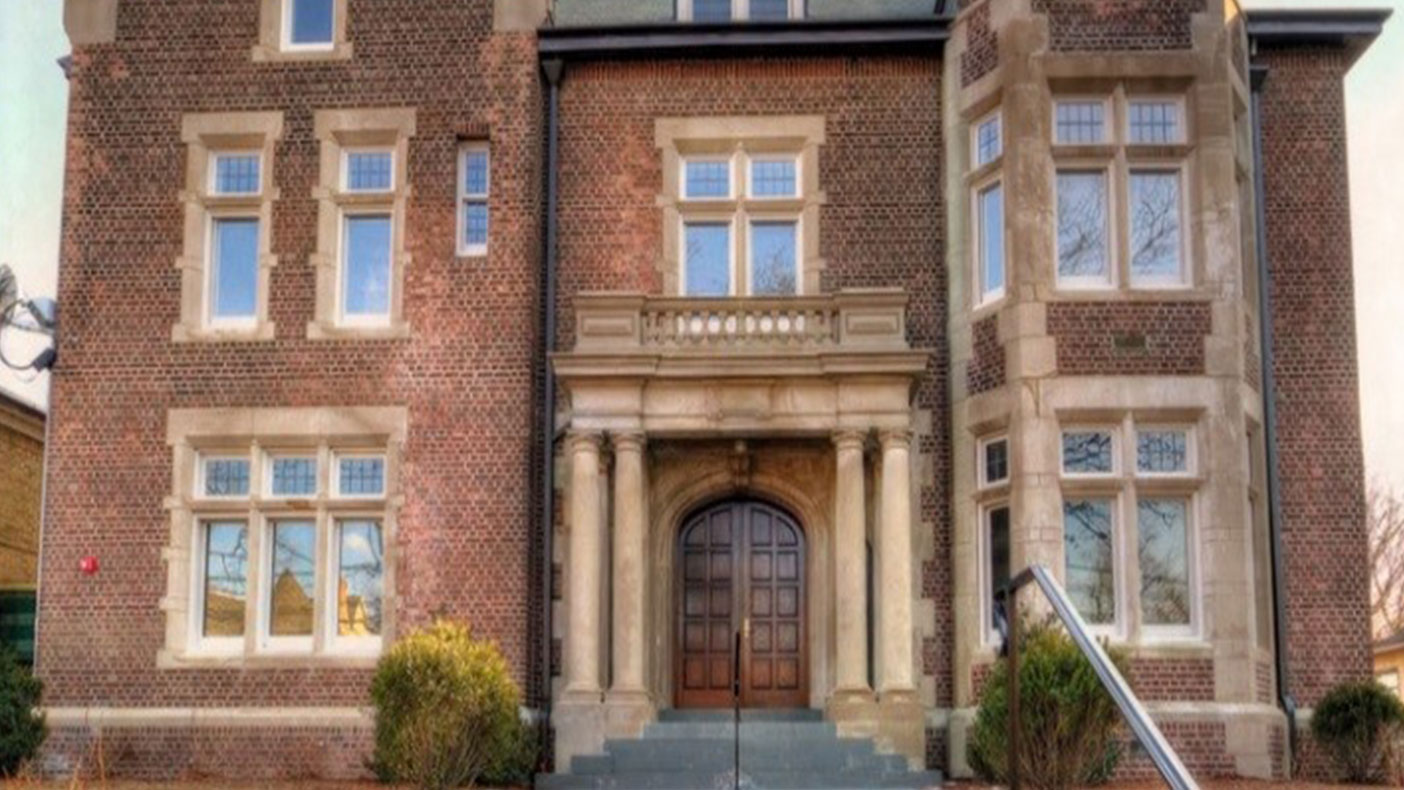
After reviewing for historic preservation, we found the Ballantine House was within a National Register of Historic Places‐listed historic district and was a key contributing resource.
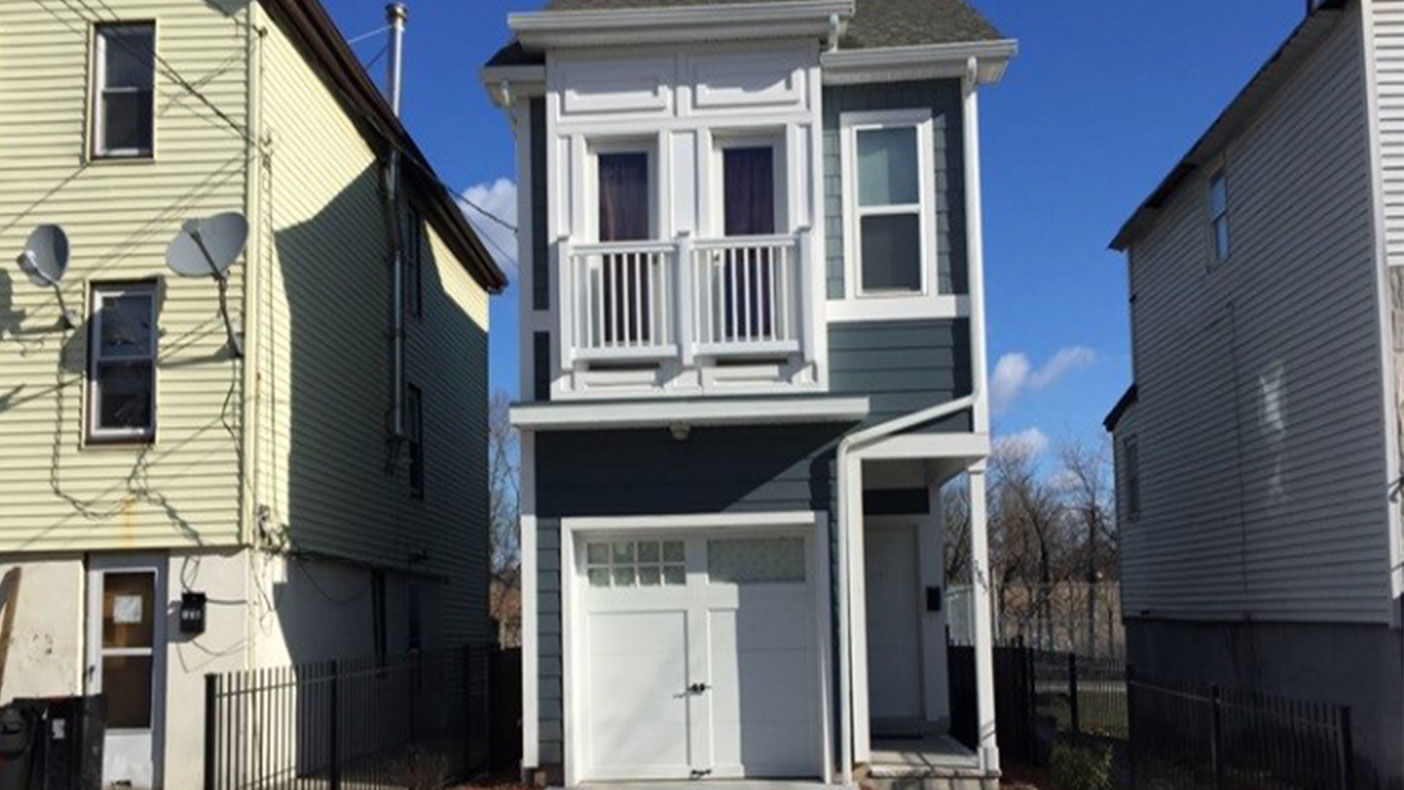
This was one of our first NEPA projects in which we converted vacant lots to single-family rentals.
- Location
- New Jersey
- Services
- Environmental
- Region
- Northeast
We are supporting the New Jersey Department of Environmental Protection with environmental and historic preservation (EHP) reviews for federally funded programs in response to Superstorm Sandy. The programs provide funding to homeowners, renters, businesses, and local governmental units for reconstruction, rehabilitation, elevation, and mitigation activities. Funding is available from U.S. Department of Housing and Urban Development (HUD) Community Development Block Grant-Disaster Recovery (CDBG-DR) and Federal Emergency Management Agency (FEMA) programs.
We are conducting EHP reviews to verify compliance with environmental regulatory requirements to clear properties for funding under these programs. Reviews are conducted pursuant to the National Environmental Policy Act (NEPA) and governing acts and regulations for historic preservation, floodplain and coastal zones, wetlands, endangered species, air quality, noise, hazardous materials and waste, and environmental justice. Work involves desktop assessments, field reconnaissance, and additional assessments and investigations; wetlands delineations; cultural resources surveys; and asbestos and lead testing.
430
applications/studies
Related Projects


- Location
- Nationwide
- Location
- Nationwide
- Location
- Louisa, VA
- Location
- Houston, TX