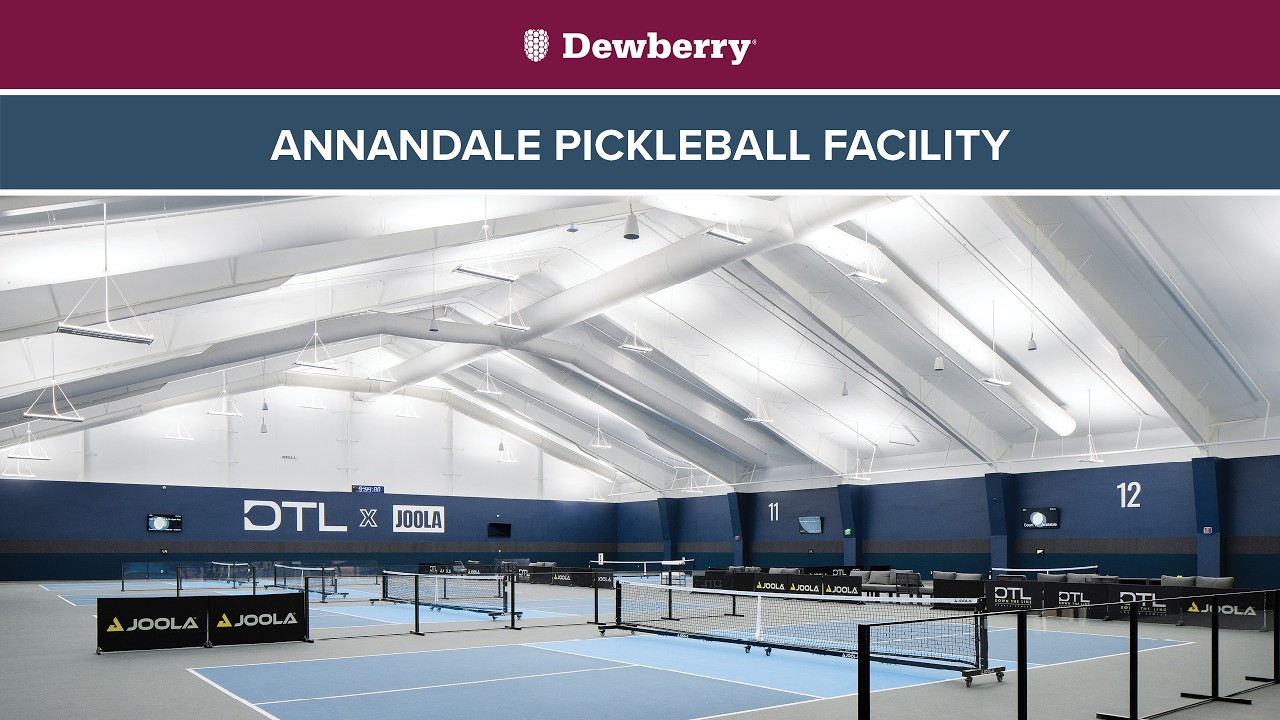
Recreation improvements are excellent ways to enhance a community’s well-being and quality of life, but “if you build it, they will come” is simply not true today. Competition and our on-the-go-lifestyle have reinforced the need to better understand the specific recreation improvements that will best fit community expectations and needs.
Taking the time to understand what will maximize community benefits is critical to a successful recreation improvement project. This all-important first step is broken into two sections: the analysis phase and design phase. The following process is a tested and proven way to guide an agency through the first steps of deciding what to build and why.
Step 1: Build the Feasibility Team
Selecting the right design professionals and a financial feasibility expert takes time and effort. But starting with the right team early will result in a win in the end. This team may include an architect, planner, landscape architect, and aquatic designer, just to name a few. The team should align with the potential recreation improvements under consideration.
Step 2: Establish Goals
Understand and define what your agency wants to achieve and why. The goals should be developed around the considerations of form, function, economy, and time. Knowing the allocated budget and timeframe for design and construction are also important.
Step 3: Collect and Analyze Facts
Facts are used to describe the existing conditions of the proposed site, including the physical, legal, climatic, and aesthetic aspects. Other important facts include statistical projections, economic data, and descriptions of the user characteristics.
Step 4: Uncover and Test Concepts
Concepts are ways to achieve goals. For example, understanding current recreation and aquatic trends can help maximize your planned improvements’ impact to today’s communities.
Step 5: Develop a Pro Forma
Developing a pro forma for at least three options will provide the financial information necessary to aid in the decision-making process of what to build and why. It will also shape the proposed improvements’ components that will eventually define success.
Step 6: Final Recommendation(s)
It’s wise to include more than one recommendation to decision makers, which gives them input to the end product. Improvements will likely need to be phased over time to align with available funding, but having a master plan in sight is as important as knowing what to build first and why.
Throughout the process, it’s important is to keep an open mind during the analysis phase, know what steps to take, and understand that in this economically trying time baby steps are always a good way to start.
About the Author