The U.S. Chamber of Commerce and United for Infrastructure (UFI) Steering Committee hosted the 12th annual Infrastructure Week event in Washington, D.C., recently. For over a decade, UFI has presented Infrastructure Week as an annual, nationwide event, focusing on the importance of infrastructure and advocating for improvements that address the U.S.’s challenges in transit and transportation, water systems, energy, and more.
This year’s event focused on the implementation of the Infrastructure Investment and Jobs Act (IIJA), encouraging conversations among policymakers, industry leaders, and the public to put a spotlight on the importance of prioritizing transformative infrastructure projects in our communities. Key stakeholders, including acting secretary of the Department of Labor, Julie Su, explored the challenges and opportunities facing our nation’s energy, water, and transportation infrastructure and the impact on employment, the U.S., and the future.
As the United for Infrastructure (UFI) brought together a large number of stakeholders, including policymakers, state and local governments, and public and private institutions, we were honored to be among individuals and organizations who are making a difference in the AEC industry with infrastructure projects funded by the Infrastructure Investment and Jobs Act (IIJA).”
Lauren Miles and Peter Garvey
America Works for Infrastructure
The IIJA, the Inflation Reduction Act, Chips, and Science Act are investing billions of dollars in workforce training, upskilling, and reskilling for Americans. Leaders, who are helping to provide workforce development opportunities, shared strategies on how to boost employment.
Leaders shared about facilitating the higher education to career pipeline to not only focus on four-year universities, but also expanding to apprenticeship programs that train individuals to be knowledgeable in hard skills. They highlighted that there are currently 1,600 registered apprenticeship training facilities in the U.S. under North America’s Building Trades Unions (NABTU). Industry leaders also shared the importance of acknowledging the present skills gap across the country, which can be addressed through programs that are funded by a state’s sales tax to create a confident workforce. Historically, infrastructure administrations have focused their capital investments for physical infrastructure. Leaders shared that we are now seeing change within the administration as they are investing more in its workforce by requiring a percentage of funds to be directed towards improving workforce training.
Building Resilience in America’s Electrical Grid
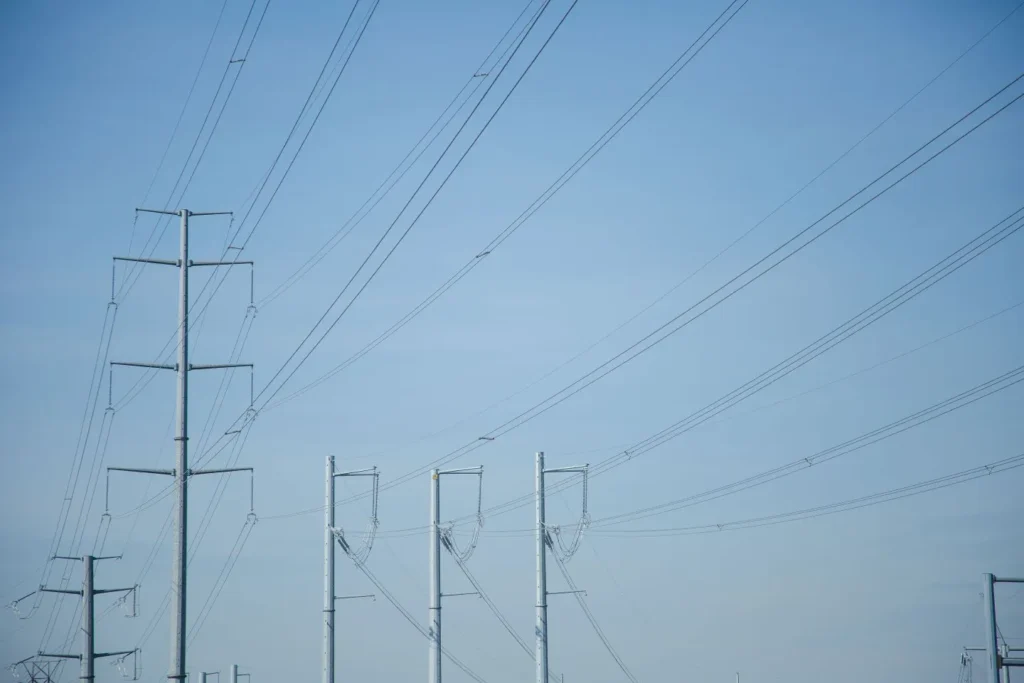
Electrical grid and transmission line resilience has been a trending topic due to climate change, increased reliance on remote work options, and thousands of new technologies emerging, including electric and hybrid vehicles. Additionally, due to the Biden Administration contributing significant investment into the electrification and modernization of the grid, it has resulted in a large influx of new entrants in the market. This oversubscription is causing various challenges for the industry stakeholders, such as inability to conduct long-term planning and unawareness and unpreparedness among new entrants for permitting timelines and requirements. Although the need is immediate and there is a high-level of excitement in this space, due to its current and forecasted growth rate, capacity and storage additions have been difficult and have caused challenges among regulating bodies to try and accommodate the timelines of what needs to be done, versus the supply needed for different projects.
The Future of Federal Investment in Infrastructure
Congressional leaders discussed the potential paths for reauthorization of the IIJA and other major infrastructure investments in the 119th Congress and beyond. Leaders shared that calls for reauthorization are a result of an anticipated decrease in funding, which will be allocated among remaining projects. As the IIJA has contributed significant investment into the AEC industry, it has been a challenge for stakeholders to predict what the industry will look like after this funding infusion has expended. As a result, the AEC industry is searching for additional consistent sources that will aid in supplying the industry to keep the nation’s infrastructure maintained and to continue moving into the future.
As the UFI brought together a large number of stakeholders, including policymakers, state and local governments, and public and private institutions, we were honored to be among individuals and organizations who are making a difference in the AEC industry with infrastructure projects funded by the IIJA. Our firm is consistently striving to stay tuned with the latest news and current events in the AEC industry, and we look forward to assisting our clients as the industry continues to evolve.