The Community Rating System (opens in a new tab) (CRS) is a program under FEMA’s National Flood Insurance Program (opens in a new tab) (NFIP) that rewards communities that implement floodplain management standards that exceed the requirements of the NFIP. The rewards include a five to 45 percent flood insurance premium reduction for property owners depending on the types of activities performed.
Given the potential for premium reductions, why do we even need to ask whether an investment in CRS is right for your floodprone community? The truth is, gaining entrance into the program can be a heavy lift and requires careful management of the documentation related to the activities. Your community must also be compliant with all applicable NFIP program requirements.
So, the question stands: is an investment in CRS right for your floodprone community?
Benefits Beyond Reduced Insurance Premiums
Our answer is a resounding yes. There are a host of tangible rewards a community can reap from joining CRS, including:
- Improved public safety through outreach and warning systems
- A reduction in flood damage and increased environmental protection
- The opportunity for a community to evaluate the effectiveness of its floodplain management program against other state and nationally recognized benchmarks
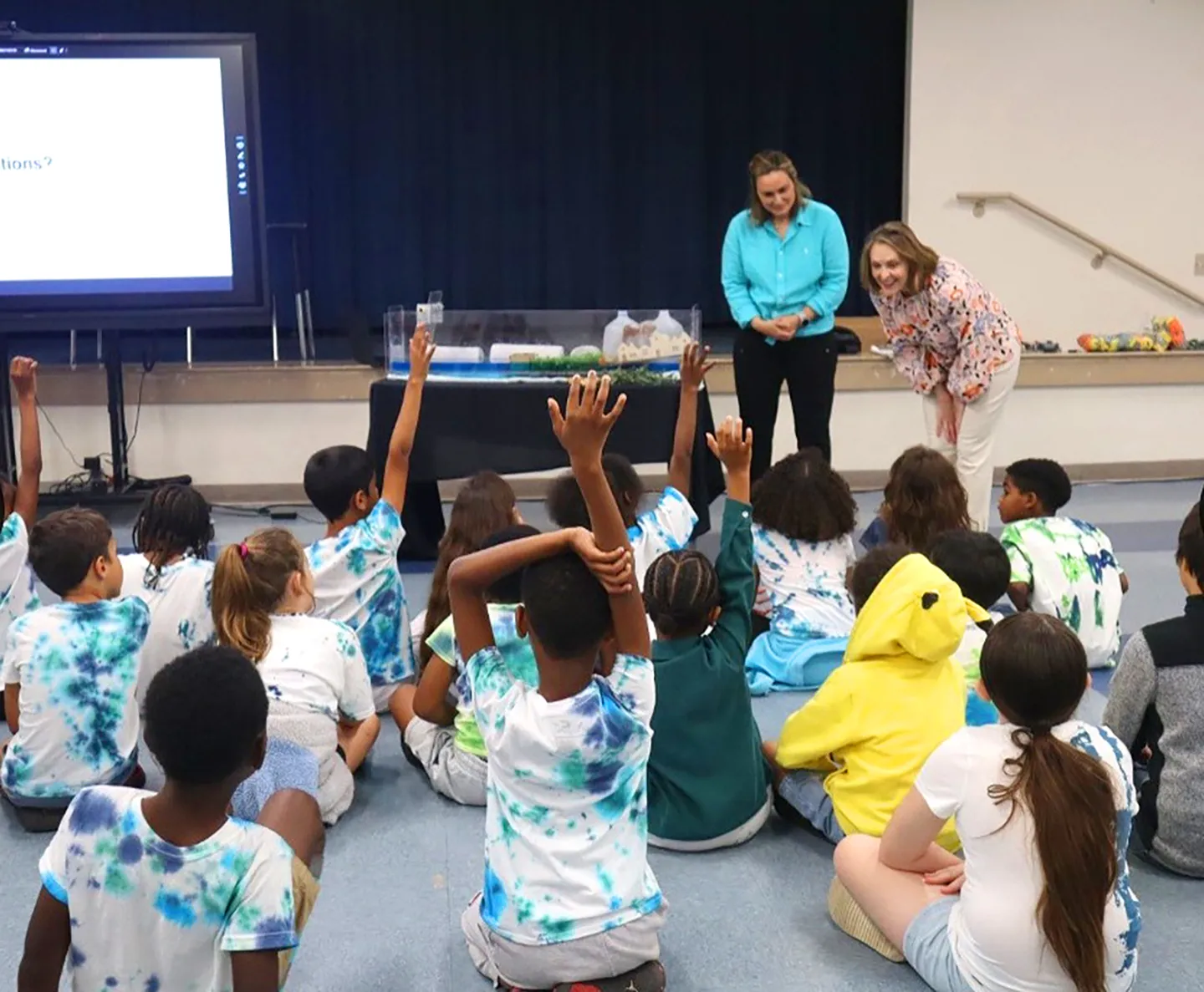
- More knowledgeable residents and greater support for flood protection measures as the result of outreach activities
- Premium reductions that can help offset recent removals of certain flood insurance premium subsidies enacted by the Biggert-Waters Flood Insurance Reform Act (BW-12)
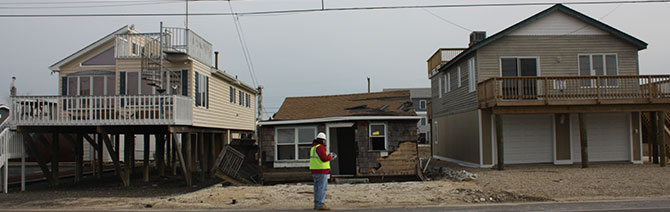
A lot of communities know about CRS, but are intimidated by the intricacies of the program and the amount of work that may be required to gain entry. Keep in mind that your community is likely already performing activities that are eligible for credit. As a result, it may not be as heavy a lift as you think. Creditable activities include:
- Preserving open space in floodprone areas
- Adopting freeboard requirements
- Developing a floodplain management plan or Hazard Mitigation Plan
- Outreach activities related to flood hazards and safety
- Stormwater management activities
How to Get Started
Your state may have specialized resources that can help you get started. We’ve recently worked with several states to create customized tools, like the Iowa Department of Natural Resources’ award-winning CRS Toolkit (opens in a new tab), that walk officials through the application process. FEMA also has the NFIP CRS page (opens in a new tab) and the FloodSmart CRS Resource Center (opens in a new tab), or you can also contact your local FEMA Regional office or CRS specialist (opens in a new tab) for assistance.
Everyone could use a little more financial help in these economically trying times and a lot more protection from our changing climate. The NFIP’s CRS is here to help with both.
About the Authors