
As a member of the Oklahoma East chapter (OK East) of Engineers Without Borders-USA, I work closely with other industry professionals in the Tulsa area, as well as students from the University of Tulsa and Oklahoma State University (OSU) chapters, to deliver small-scale infrastructure projects to developing countries.
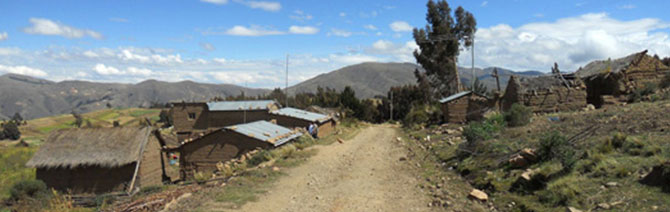
In early 2009, we worked with the OSU students to help a small community of approximately 800 people in Cotani, Boliva. They had three flushing toilets for their entire community—which most citizens didn’t have access to—resulting in contaminated water and food sources. This led to illnesses and a higher mortality rate.
Our Eco-Latrine Design
To help the people of Cotani, our chapter designed “eco-latrines”—a composting toilet that requires no water. After a year, the compost may be used as fertilizer—on fruit trees, and plants without edible roots—in their fields.
How the Eco-Latrine Works
In the summer of 2009, we built a prototype of the eco-latrine at Newsome Community Farms in north Tulsa to iron out any potential design issues, such as door connections and vents. The prototype was made from similar building materials to those in Bolivia—concrete and brick—and contains two levels. The lower level holds the composting chambers and the top level houses two toilets. When one toilet is in use, the other side is composting. After approximately one full year of composting, the material is ready to be used as fertilizer.
We traveled to Cotani in November 2009 and built five eco-latrines, as well as an additional two in August 2010. We spent a considerable amount of time educating the community on how to properly use the latrines, which included showing them the organics—leaves, vegetable scraps, and ash—that needed to be added to the compost pile after each use.
Regularly Monitoring Positive Effects of the Eco-Latrine
We regularly monitor the eco-latrines to ensure that the community is using them correctly. Since the citizens of Cotani aren’t accustomed to using them, it’s important that we regularly educate them and encourage their use. After a recent visit, we found that five out of the seven latrine owners were using them on a regular basis.
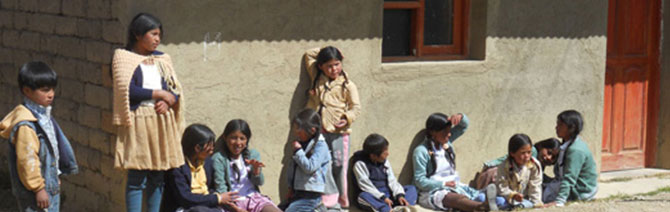
Our goal is to help each family in the community build their own eco-latrine. The children are learning the importance of clean sanitation and are excited about teaching their families. Our hope is that over the next few years the remainder of the community regularly uses the latrines—significantly reducing illness and death rates.
About the Author