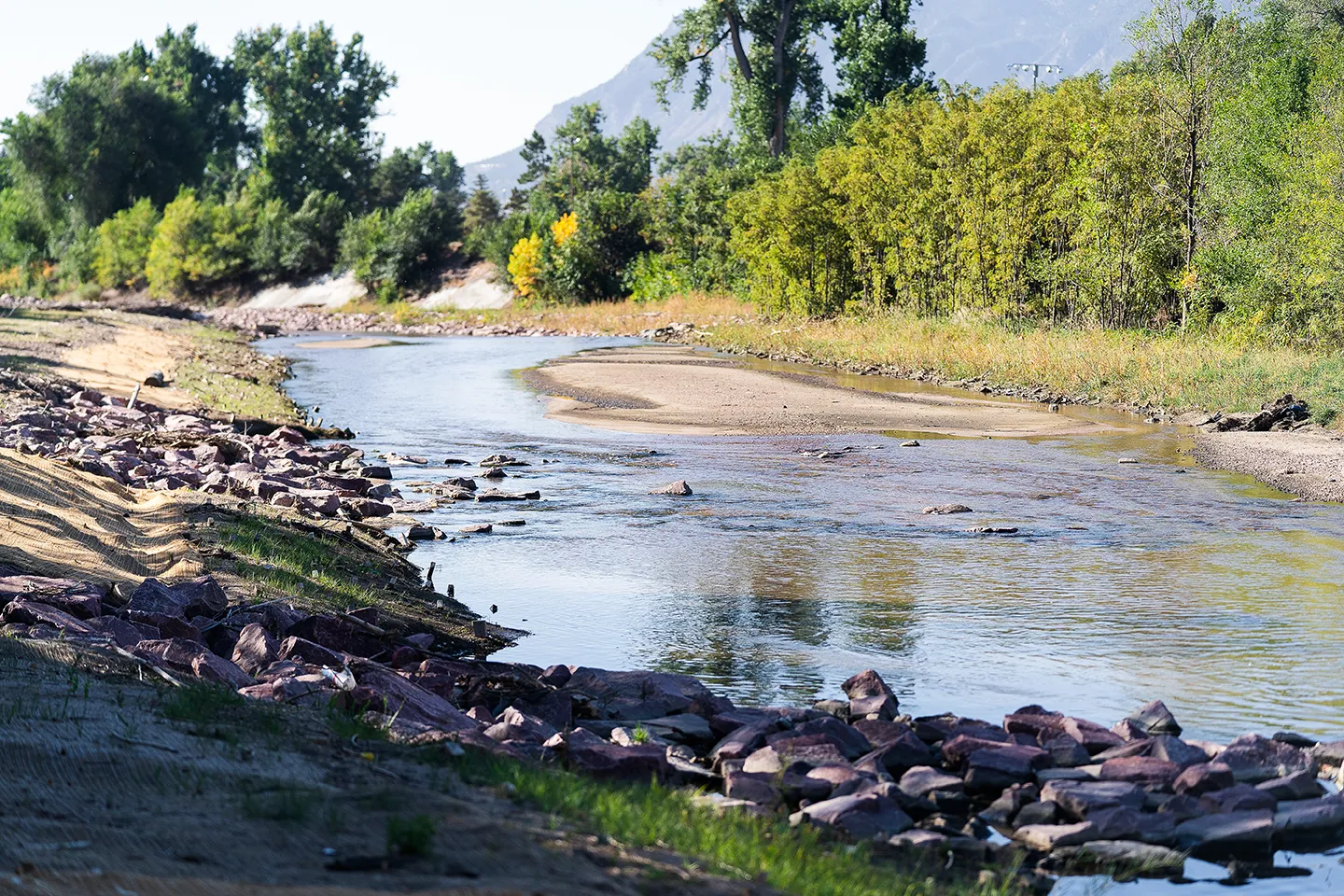
Significant enhancements were made to address the profile and bank stability of Monument Creek in Colorado Springs, Colorado.
The Basics of Water
Recognizing the importance of how we use and manage water is fundamental to life as we know it. It is a precious commodity that covers 71% of the planet—and of that, only 0.5% is “available” fresh water, according to the U.S. Geological Survey (opens in a new tab). Managing this valuable resource can be complex and involves many different processes and challenges. At our firm, sustainability is engrained in our culture for developing innovative water solutions. Whether that means we are designing drinking water treatment or water resource recovery facilities, modeling for climate change, mapping floodplains, planning for future sea level rise, or designing water collection or distribution infrastructure, our approach to water contributes to sustainable infrastructure, energy, communities, and fish and wildlife.
Sustainable Water Management in Ancient Civilizations
The history of managing water resources dates back centuries. From early farming and plumbing to today’s technology and infrastructure, the management of water has gone through a series of advancements.
One of the earliest examples of water management was the development of flood control and the advancement of dredging (opens in a new tab). Dredging is where material is excavated from water to reshape land and water features, helping to alter drainage, improve navigability, and make shipping lanes available for commercial use.
From there, beginning in the Middle East and North Africa, examples of an early form of plumbing called a qanat (opens in a new tab) came to prominence. Qanats were developed to provide crucial water to areas with hot and dry climates. They use an intricate system of underground tunnels to transport usable water.
As their cities started to grow, the Romans engineered arched aqueducts (opens in a new tab), which supplied towns with water and became commonly used throughout the empire. Aqueducts allowed communities to transport water to locations that would not otherwise receive enough.
Around the turn of the century, chlorine was introduced for disinfecting water and the first lagoon sewer systems (opens in a new tab) started being used. This came to fruition as people started to realize the importance of sanitation after the spread of the Black Death, a bubonic plague.
In the 1900s, engineers Edward Ardern and W.T. Lockett developed activated sludge (opens in a new tab), which collected and recycled biological solids back to the treatment process. This was a major advancement in treatment technology and significantly reduced the area of land while improving effluent quality. Activated sludge has been advanced to incorporate biological nutrient removal and is one of the widely used technologies today to treat wastewater.
Our commitment to water-conscious communities and clients is an ongoing effort with ever-changing technologies. Water is vital to everything we do, and it’s important to minimize our human footprint on the water life cycle as best we can.”
Melinda Brown and Patrick Radabaugh
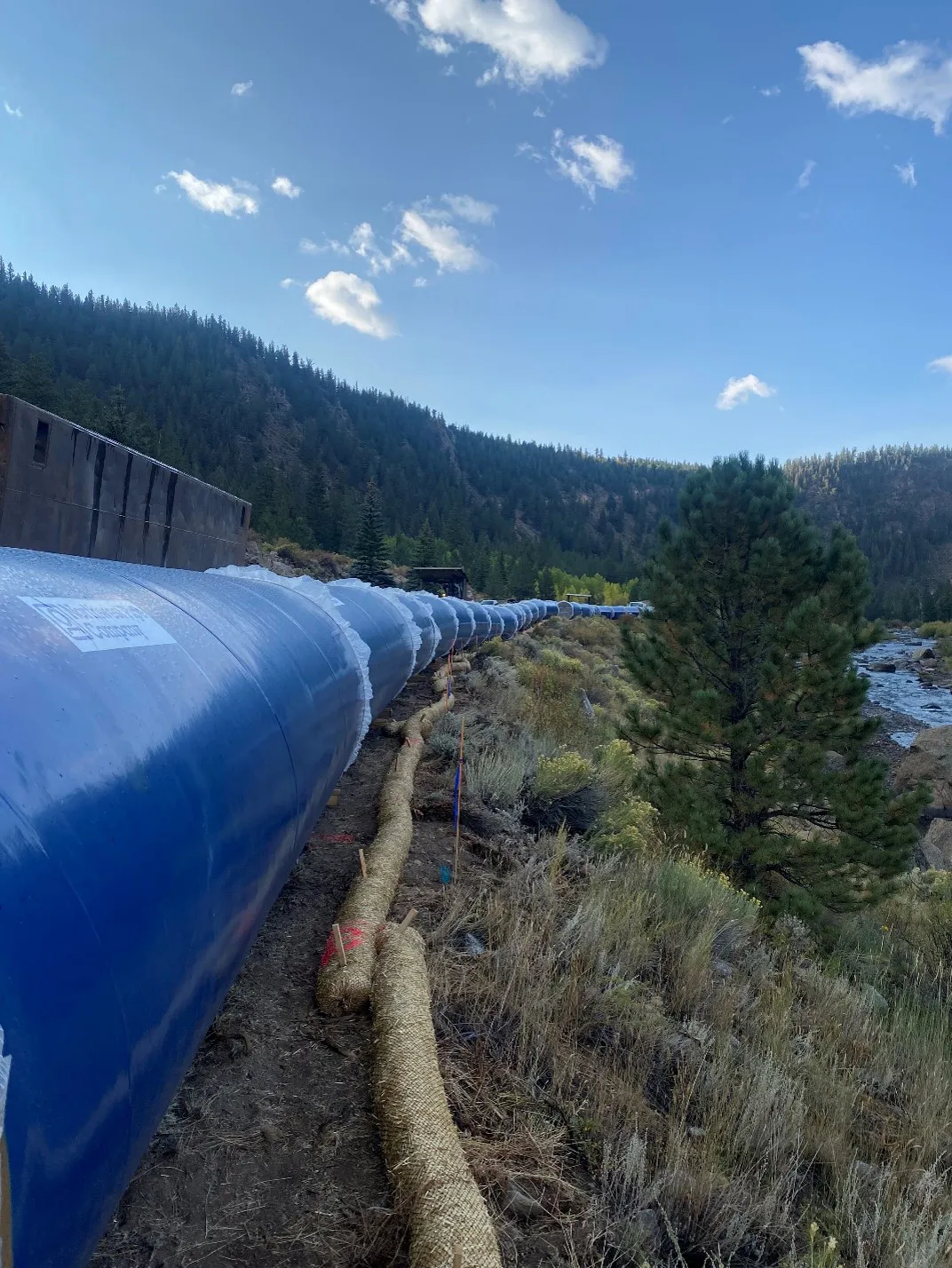
The 66-inch diameter, 56-mile-long Homestake Pipeline in Buena Vista, Colorado, delivers 118 million gallons of water per day for the cities of Aurora and Colorado Springs.
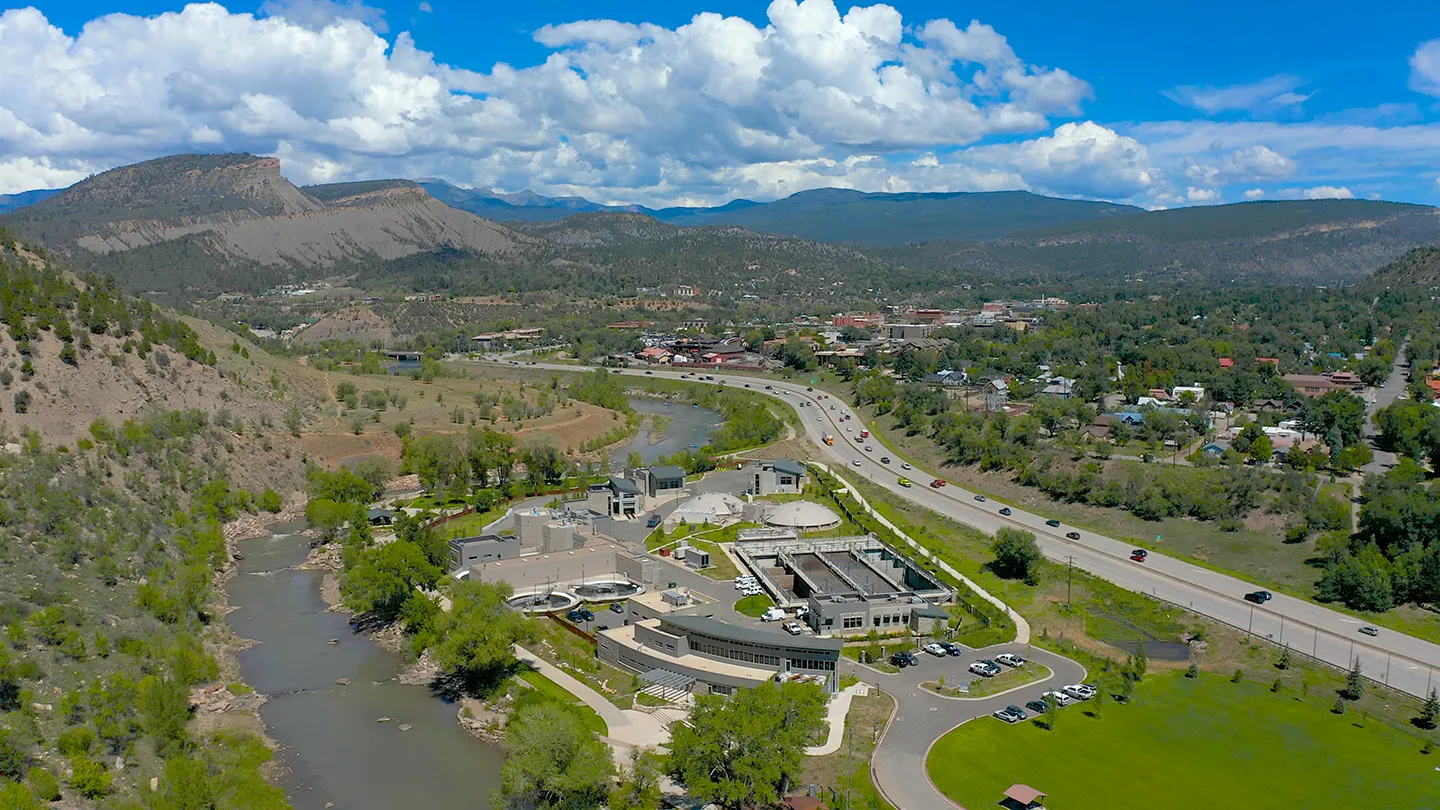
Aerial view of the Santa Rita Wastewater Treatment Plant Administration Building in Durango, Colorado.
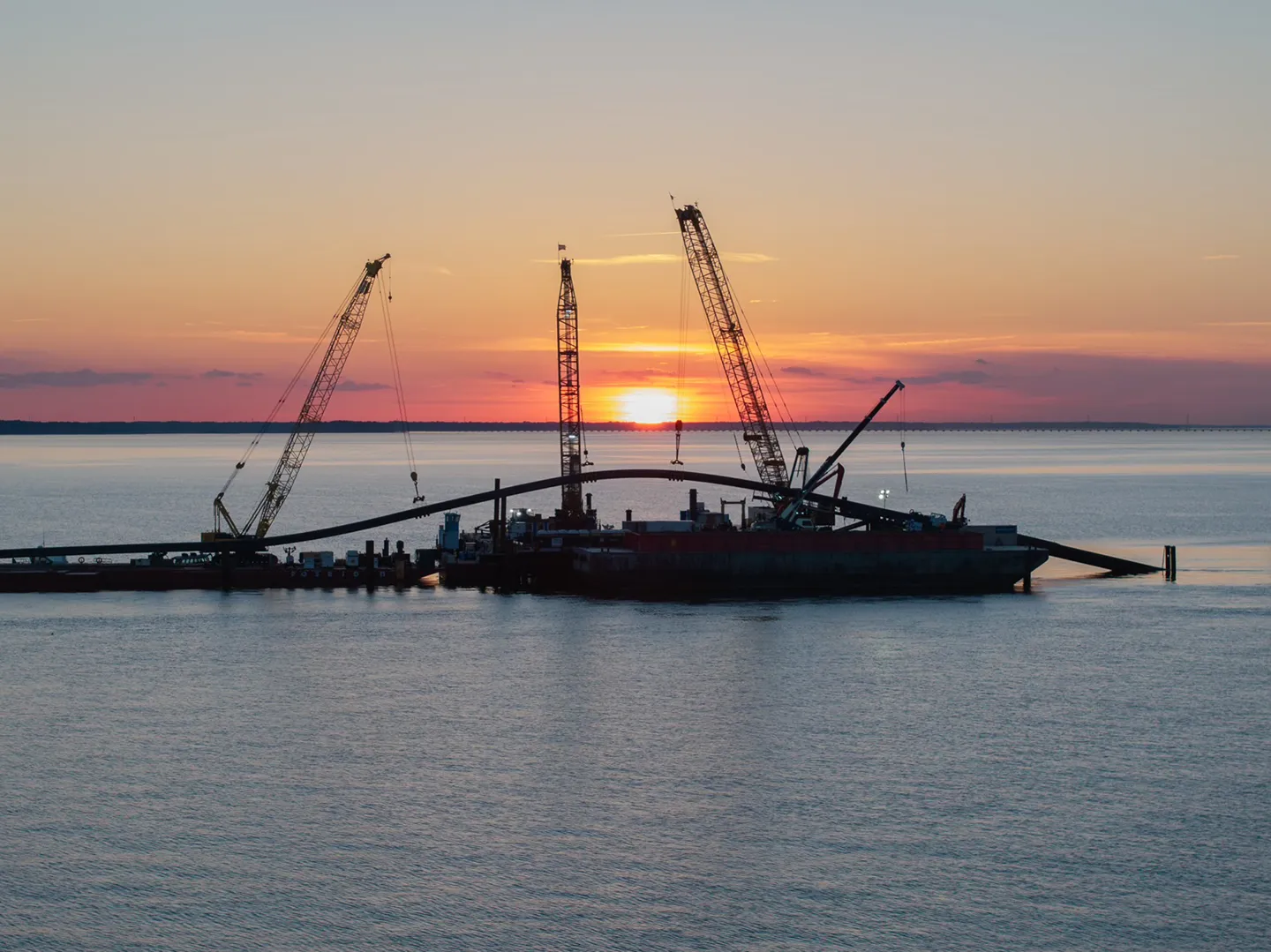
View of shipping channel in Newport News, Virginia. Photo courtesy of Garney Construction.
Supporting Water Sustainability Today
As technology has advanced, so has our knowledge of water systems.
Here are a few examples of our water sustainability projects from across the country:
- In Colorado Springs, Colorado, there was significant erosion and degradation to Monument Creek’s bank, which threatened nearby infrastructure. We worked with Colorado Springs Utilities and Colorado Springs Parks, Recreation, and Cultural Services to enhance the creek’s profile and bank stability. This short video (opens in a new tab) shows aerial footage of the creek with before and after photos.
- Located in the high mountains of Buena Vista, Colorado, with limited access and challenging mountainous terrain, the Homestake Pipeline (opens in a new tab) is a trans-mountain raw water delivery pipeline that delivers 118 million gallons of water per day, providing roughly 70% of the raw water for the cities of Aurora and Colorado Springs. We performed a pipeline and facility assessment, rehabilitation alternatives analysis, preliminary and final design for replacement services, and improvements to the water transmission system infrastructure.
- At the Santa Rita Water Reclamation Facility for the City of Durango, Colorado, this short video (opens in a new tab) describes the challenges brought on by aging infrastructure. Facility improvements included new headworks, odor control, custom designed enhanced biological nutrient removal secondary process, sidestream treatment, anaerobic digestion, biosolids dewatering, combined heat and power biogas system, and UV disinfection. Our improvements reduced energy usage by approximately 20% over conventional solutions.
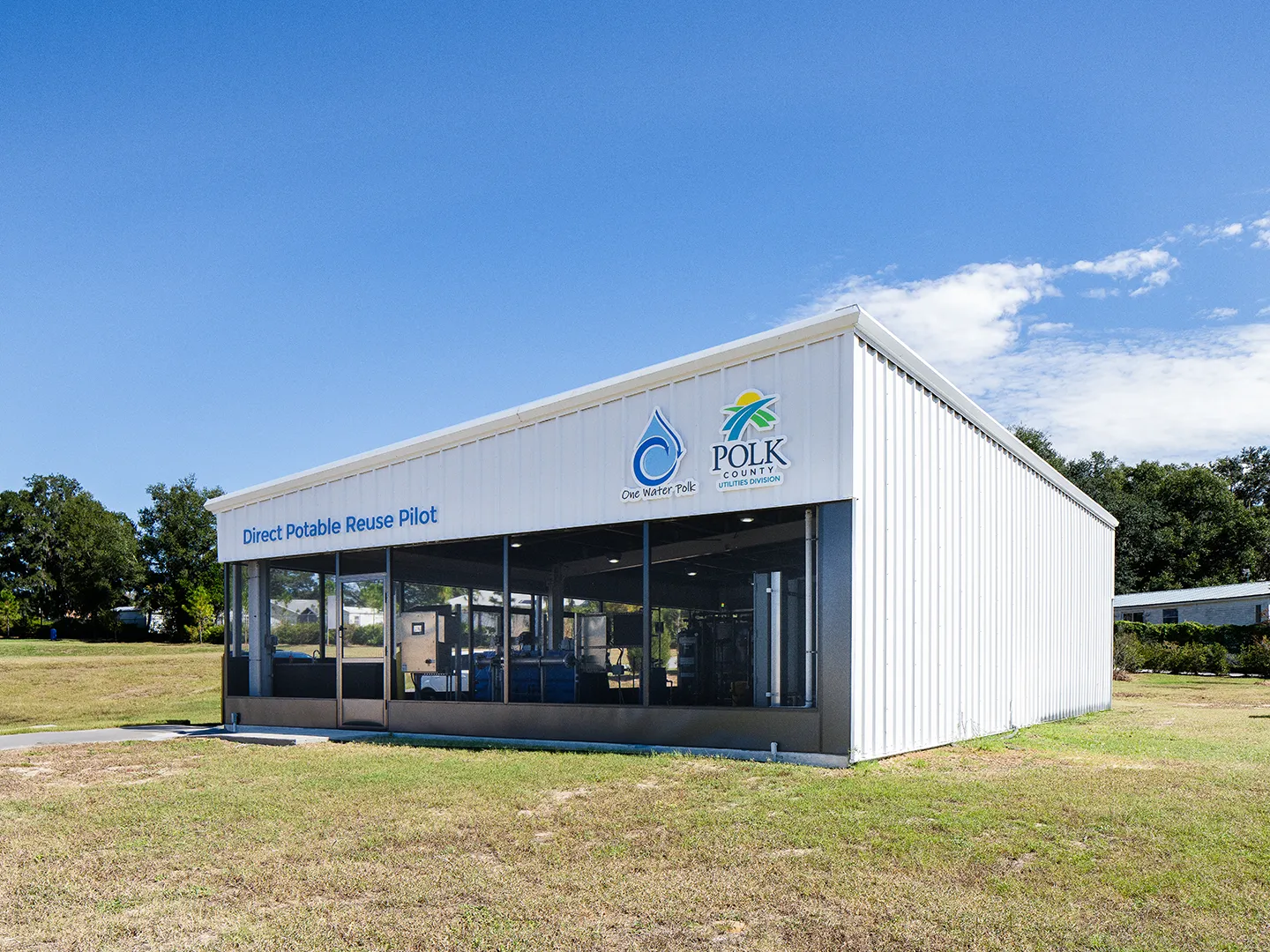
- In Polk County, Florida, our team collaborated with Polk County Utilities to pilot a direct potable reuse (DPR) system (opens in a new tab) that provided additional treatment to wastewater to turn it into potable water. By developing this technology, a DPR system could supplement the county’s existing groundwater water supply and reduce demand on the aquifer to provide a more sustainable water source for Polk County.
- In Newport News, Virginia, our team designed 4.5 miles of large-diameter high-density polyethylene (HDPE) pipe to cross the James River and deliver wastewater from Newport News to Suffolk, Virginia (opens in a new tab). The project included a world record horizontal directional drill (opens in a new tab) under the Newport News Shipping Channel to mitigate impacts to the environment and maritime community. The wastewater will be treated to pristine quality prior to reinjection into the Potomac Aquifer as part of the Sustainable Water Initiative for Tomorrow (SWIFT) program (opens in a new tab).
Our commitment to water-conscious communities and clients is an ongoing effort with ever-changing technologies. Water is vital to everything we do, and it’s important to minimize our human footprint on the water life cycle as best we can.