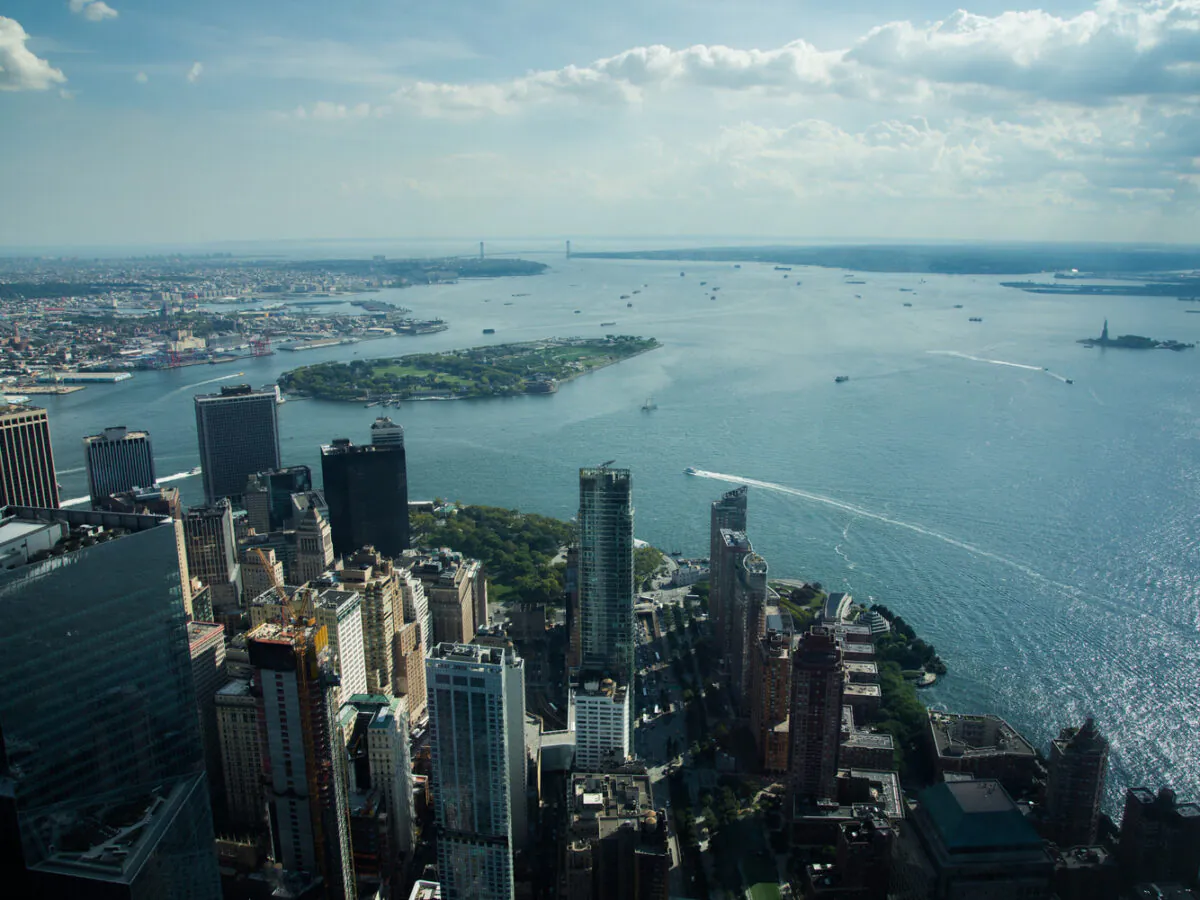
Sea level rise, coastal flooding, extreme winds, heat island effects, wildfires, droughts, power outages…the threats of global climate change are clearly beginning to have an impact on how and where we design buildings today. Just as green, energy-efficient design has become inherent to architecture and engineering and is no longer unique or cutting edge, this new form of sustainable design will soon become standard as well—design that enables buildings and communities to survive and succeed in a changing global environment.
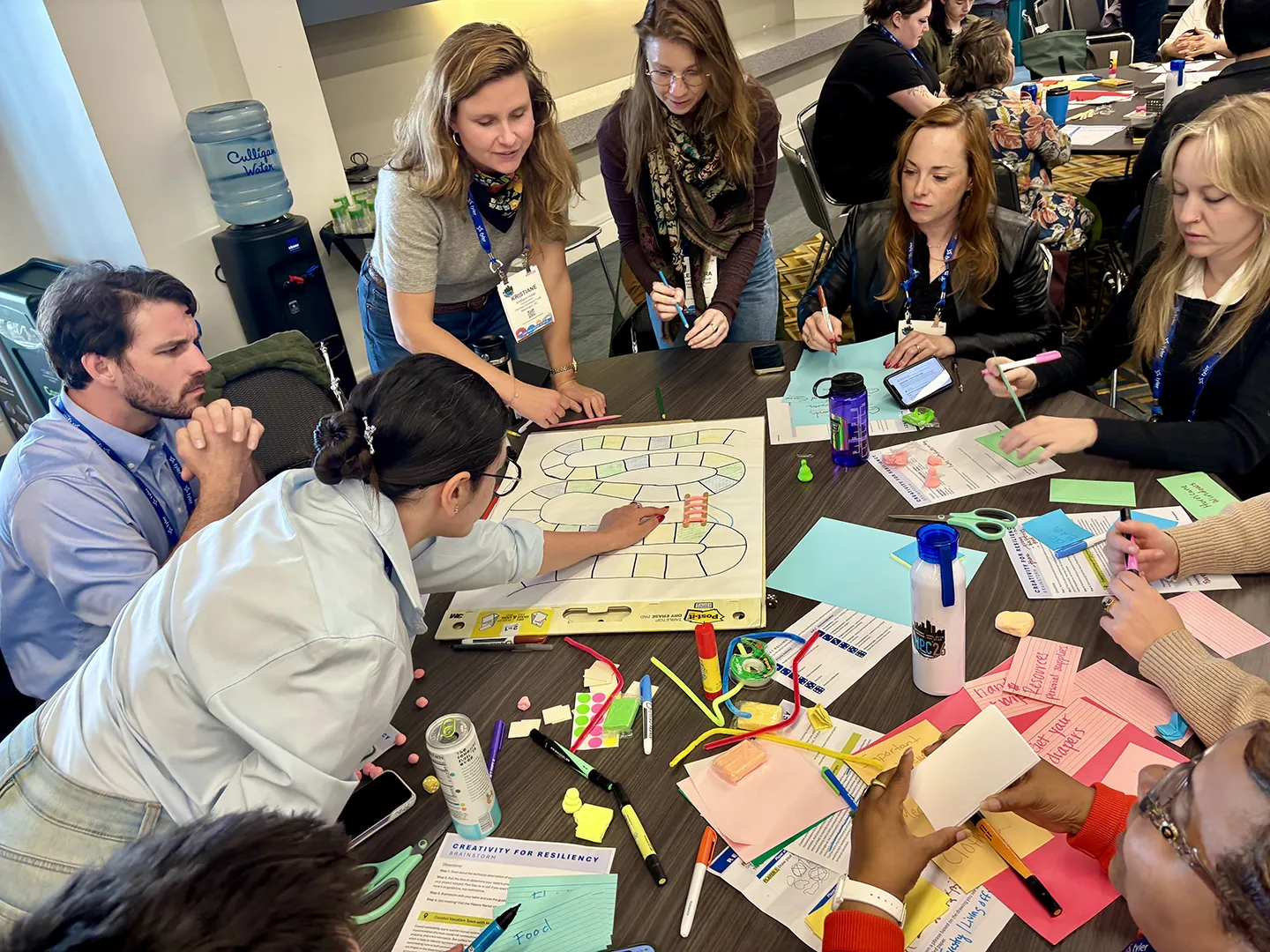
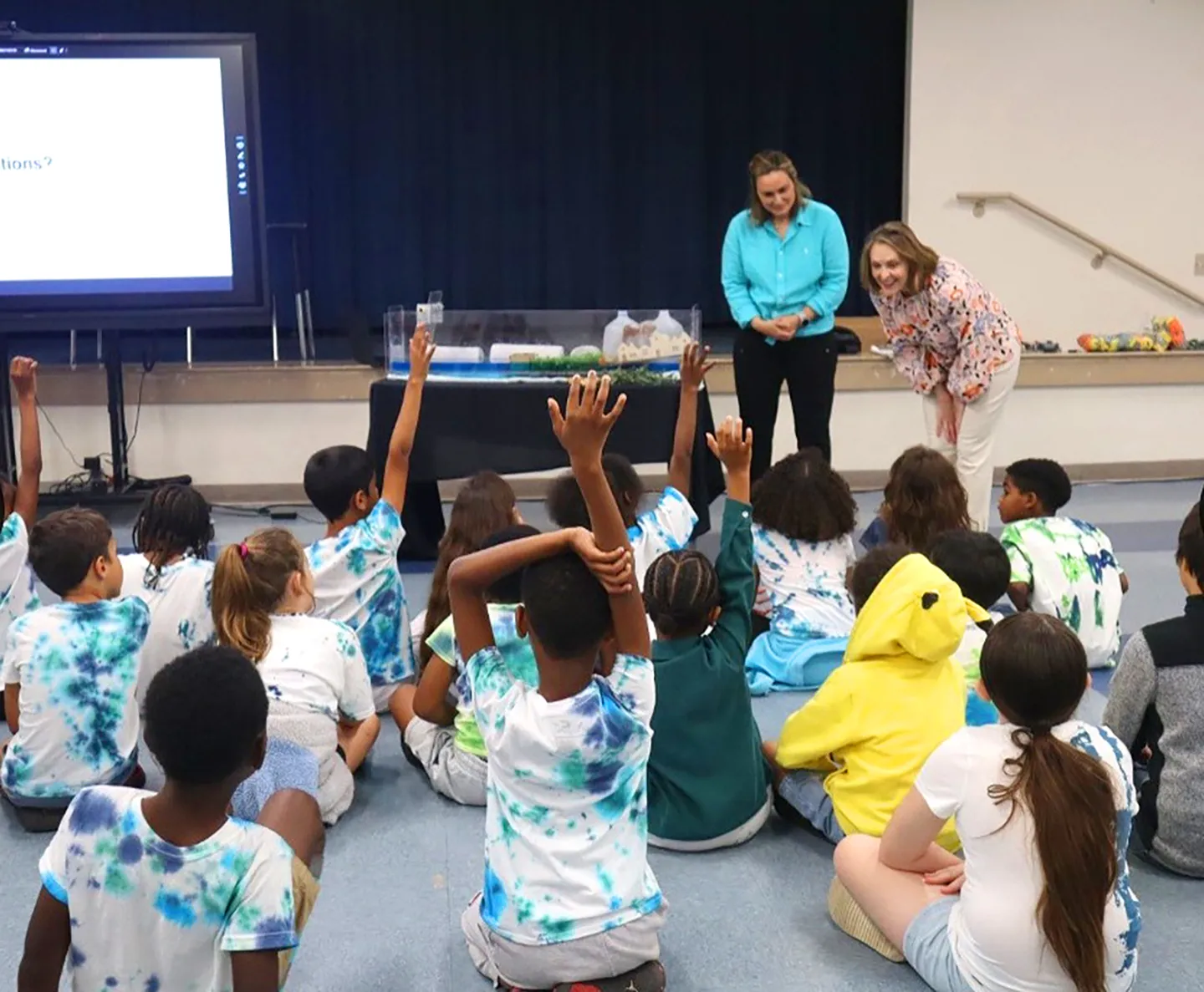
Interestingly, discussion on this topic in our profession remains relatively light. I recently spoke at the Architecture Exchange East conference in Richmond, Virginia, a gathering of architects and industry professionals from throughout the Mid-Atlantic. My topic, “Designing an Adaptive Built Environment for Climate Change,” drew a good crowd and we had a lively discussion. For many in the room, however, it seemed that the topic was fairly new. We reviewed some of the basic research and explored how likely we are to be impacted by these environmental trends during the course of our own careers.
There are already many emerging innovations and strategies set to help us adapt to rising sea levels and increases in storms, droughts, and other extreme weather events. We must also prepare for new patterns of migration, requiring insightful and forward-thinking concepts in urban planning and design.
It’s time to stop questioning if and when climate change will impact building design, and begin to aggressively prepare the critical approaches, technologies, and tools that will help us address this challenge. Fortunately, the lessons of the green design successes of the past two decades offer encouragement that we can and will confront climate change effectively—as a profession, we are equal to the task.
About the Author